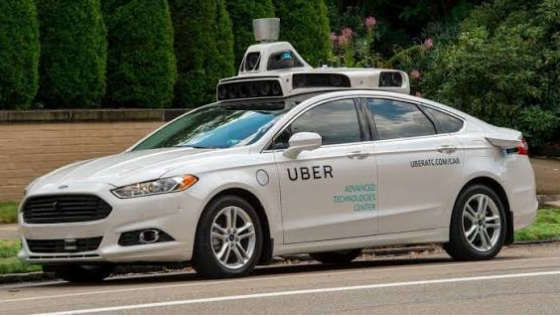

It is nine on a Friday night in Lebanon, the app is surging, and the SUV in the driveway has already logged more than a thousand paid miles this month. The driver is not a trucker. He installs flooring by day and delivers dinner orders after dark, and that second job is the part his policy was never priced for. Ask any auto insurance agency lebanon tn drivers turn to after a denied claim, and the story tends to start the same way. The car was insured for commuting and errands. The argument of this guide is short. If your car earns money, get the business use written into the policy before the trip, not argued about after the claim.
When A Personal Car Starts Doing Business
The change rarely feels like a change. You take one delivery shift to cover a car payment, then another, and by the third month the SUV is running well over a thousand paid miles between oil changes. Nothing about the vehicle looks different sitting in the driveway. The use looks entirely different to an underwriter. A carrier prices a personal policy on an assumption about how and when the car moves, which is commuting, errands, and a run into Nashville on a Saturday. Paid trips change that exposure, because now the car is out at bar close, in weather, with strangers in the back seat and a phone clamped to the glass. The case we see most often is a driver who picked up delivery work in the spring and never mentioned it at renewal, because the app never asked and the policy never came up.
Where Personal Policies Usually Draw The Line
Most personal auto policies carry a livery exclusion, which shuts off coverage while you are carrying people or goods for a fee. Standard personal auto policies exclude driving for hire, and the Tennessee Department of Commerce and Insurance tells rideshare and delivery drivers to contact their agent or insurer about the coverage gap before relying on personal coverage during a paid trip. Confirm it in writing. Think of a household dishwasher plumbed into a coffee shop. Nothing about the machine is defective, it was simply rated for eight loads a week rather than eighty, and the warranty language says so plainly. Your policy is rated the same way, on expected duty rather than good intentions. That gap sits quietly on the declarations page until a claim wakes it up.
Business Use Changes The Coverage You Need
Once the car is working, the conversation moves from price to structure. Rideshare platforms carry contingent coverage that switches on in phases, and the phase where you are logged in with no passenger yet is the thin one. An endorsement from your own carrier is what fills it. Cost matters here, and so does the thing you are comparing against, since a July 2026 national rate roundup puts the national average at $2,495 a year for full coverage against $908 a year for minimum liability, which works out to roughly $208 a month versus $76. Minimum liability is the cheap number people quote in the group chat. It is also the coverage least able to absorb one bad night on Highway 109. That comparison is the review an auto insurance agency lebanon tn drivers can sit down with in person usually runs at renewal, and it takes about twenty minutes.
Questions To Ask Before You Rely On A Policy
Bring specifics to that call. A vague question gets a vague answer, and vague answers are the ones an adjuster ends up sorting out for you months later. Have your monthly paid mileage ready, know which apps you actually run, and write down what you hear.
- Does my policy exclude driving for hire, and where in the document does it say so? A good answer sends you to the exclusion by name and page, not a general reassurance.
- What is covered while the app is on and I am still waiting for a request? A good answer separates that waiting period from the trip with a passenger or an order in the car.
- Can you add a rideshare or business use endorsement to this policy, and what does it add per month? A good answer names a figure for my vehicle and mileage instead of promising to check later.
- I deliver food on the same SUV some nights. Is that rated the same as carrying passengers? A good answer treats delivery as its own category, because several carriers do.
See also: How to Create a Winning Business Plan
Comparing A Commercial Endorsement To A New Policy
An endorsement on the policy you already hold is the usual answer for evenings and weekends work. A separate commercial policy earns its keep once the driving goes full time, the vehicle is titled to a business, or somebody else is behind the wheel on your shifts. Rating follows the whole household, not only you, which is why a teenager with a fresh license moves the premium more than the app ever will. The AAA Foundation for Traffic Safety reported that drivers ages 16 and 17 crash at about 4.5 times the rate of drivers ages 30 to 49 per mile driven, and nearly double the rate of 18 and 19 year olds, in its study of crash rates by driver age. Driver forums will argue for pages about which app pays best per mile after midnight, and honestly some of that math is worth reading. It changes nothing on your declarations page. Back to the policy, because the endorsement question is the one with money attached.
Confirm Coverage In Writing Before You Drive
Written confirmation is the whole job. Ask your carrier to confirm the business use in an email or show it on the declarations page, then keep a copy on your phone beside the registration. If you are told the personal policy already covers paid trips, get that in writing too, and read the exclusion pages yourself before you believe it. A denied claim on a $34,000 SUV is a far bigger event than the modest monthly line an endorsement adds. Make the call this week, well before the next surge.