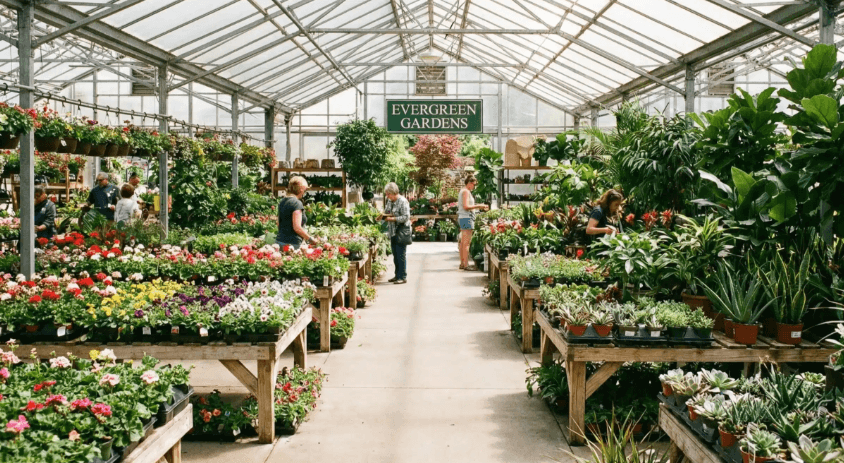

For businesses that rely on a steady supply of quality plants , whether garden centers, landscaping companies, or specialty retailers , the relationship with a wholesale plant nursery can become one of the most important partnerships supporting long-term business growth. While many businesses initially approach nursery sourcing as a purely transactional process, the most successful plant-focused businesses often treat their nursery relationships as strategic partnerships worth actively cultivating over time.
This article explores how businesses can move beyond one-off purchasing and build a long-term wholesale nursery relationship that supports sustainable growth.
Why Long-Term Nursery Relationships Matter
Constantly switching between different wholesale suppliers , often in search of marginally better pricing , can create hidden costs that aren’t always immediately obvious. These include inconsistent plant quality, unpredictable availability, and the administrative burden of repeatedly vetting new vendors.
By contrast, businesses that invest in building long-term relationships with a smaller number of trusted nursery partners often find that the benefits compound over time, creating a more stable and predictable foundation for their own business growth.
Key Benefits of Long-Term Nursery Partnerships
More Favorable Pricing Over Time
Nurseries often reserve their best pricing tiers and terms for long-term, high-volume customers with a proven ordering history. As a relationship matures, businesses may gain access to better bulk pricing, extended payment terms, or priority allocation during periods of high demand.
Priority Access to Limited or Seasonal Inventory
Popular or seasonal plant varieties often sell out quickly, particularly during peak demand periods. Nurseries frequently prioritize their most established, reliable customers when allocating limited inventory, giving long-term partners a meaningful advantage in securing sought-after stock.
Deeper Understanding of Business-Specific Needs
Over time, a nursery partner who understands your specific business , your customer base, seasonal patterns, and quality preferences , can provide more tailored recommendations and proactively flag opportunities or potential supply issues before they become problems.
Improved Communication and Responsiveness
Established relationships typically come with better communication channels, faster response times for urgent orders, and greater flexibility when unexpected issues arise, such as needing to adjust an order close to a shipping deadline.
Strategies for Building a Strong Nursery Partnership
Building a productive long-term relationship with a wholesale nursery doesn’t happen automatically , it requires intentional effort from both sides. Businesses can strengthen these partnerships through several practical strategies:
- Consistent, Predictable Ordering – Regular ordering patterns help nurseries plan their own production more effectively, which can translate into better service and availability for your business
- Clear, Proactive Communication – Sharing upcoming needs, seasonal projections, or changes in demand helps nurseries prepare accordingly
- Timely Payment Practices – Reliable payment history builds trust and can lead to more favorable credit terms over time
- Constructive Feedback – Providing honest, specific feedback about plant quality or shipping issues helps nurseries improve their service for your business specifically
- Long-Term Planning Conversations – Discussing multi-season or annual needs allows nurseries to plan production more strategically on your behalf
Partnership Development Framework
The table below outlines how a wholesale nursery relationship typically evolves through different stages, along with the corresponding business focus at each stage.
| Relationship Stage | Business Focus | Typical Benefits Gained |
| Initial Sourcing | Evaluating quality, pricing, and logistics | Establishing baseline trust and product fit |
| Early Ordering History | Consistent, smaller-volume orders | Building payment and reliability track record |
| Established Partnership | Regular, predictable ordering cadence | Improved pricing tiers, better communication |
| Strategic Partnership | Collaborative planning and forecasting | Priority inventory access, custom arrangements |
Understanding this progression helps businesses set realistic expectations about how nursery relationships develop over time, rather than expecting maximum benefits immediately from a new supplier relationship.
Aligning Nursery Partnerships with Business Growth Plans
As a business grows, its plant sourcing needs often evolve , requiring greater volume, broader variety, or more specialized categories. A strong long-term nursery partnership can adapt alongside this growth, provided the relationship includes ongoing communication about changing business needs.
Businesses planning significant growth or expansion should proactively discuss these plans with their nursery partners, allowing the nursery to plan production capacity accordingly and avoid potential supply constraints during critical growth periods.
Diversifying While Maintaining Core Partnerships
While long-term relationships offer significant advantages, most experienced buyers also recognize the value of maintaining relationships with more than one wholesale nursery, particularly for specialized product categories or as a hedge against unexpected supply disruptions.
The key is finding the right balance , maintaining strong core partnerships with one or two primary nurseries while selectively working with additional suppliers for specific needs that fall outside a primary partner’s core strengths.
Measuring the Success of a Nursery Partnership
Businesses should periodically evaluate their nursery partnerships against measurable criteria, including:
- Consistency of plant quality across orders over time
- Reliability of delivery timelines and communication
- Competitiveness of pricing relative to market alternatives
- Responsiveness to issues or special requests
- Overall contribution to the business’s inventory planning and growth goals
Regularly assessing these factors helps ensure that a long-term partnership continues to deliver genuine value, rather than persisting simply out of habit or inertia.
Final Thoughts
Treating wholesale plant sourcing as a long-term strategic partnership, rather than a series of isolated transactions, can meaningfully support sustainable business growth for garden centers, landscapers, and specialty plant retailers alike. Through consistent ordering, proactive communication, and mutual trust built over time, businesses can unlock benefits that extend well beyond simple pricing advantages.
Choosing to invest in a strong, long-term relationship with a reliable wholesale plant nursery ultimately provides the stable foundation many plant-focused businesses need to grow confidently and adapt to changing market demands over time.