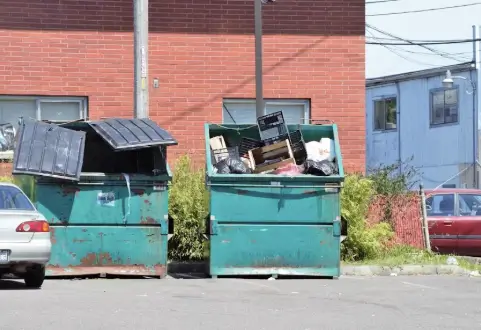

Picking a container sounds simple until you stand in the driveway with a pile of debris and no clear idea what size you actually need. A dumpster rental in Omaha covers everything from a single-room cleanout to a full roofing tear-off, so the right choice depends on what you are throwing away and how much of it there is. Get the size wrong and you either pay for space you never fill or run out of room halfway through the job. This guide walks through the questions worth answering before you book anything.
Most projects fall into a few clear buckets, and matching your job to the correct container is the first real decision in any dumpster rental in Omaha. Start by naming the project out loud. A garage cleanout, a kitchen remodel, a deck removal, and a new-build framing job all produce different volumes and different kinds of waste. Once you know the category, the sizing math gets much easier.
Match The Size To The Job
Roll-off containers usually come in 10, 15, 20, 30, and 40 cubic yard sizes. The number refers to volume, not weight, which trips up a lot of first-time renters. A 10 yard box holds roughly four pickup truck loads and suits small cleanouts, bathroom remodels, or a modest yard project. A 20 yard container handles flooring removal, larger remodels, and mid-sized cleanouts without much trouble. Step up to 30 or 40 yards when you are gutting a house, framing new construction, or clearing a commercial site.
Heavy material changes the calculation. Concrete, brick, dirt, and roofing shingles weigh far more than household junk, so a smaller container often makes more sense even when the pile looks large. Many haulers cap the weight on heavy debris and ask you to keep those loads in a dedicated box. If your project mixes concrete with general trash, ask whether the two need to be separated before you order. Weight limits exist because trucks and local roads carry legal load caps, not because a hauler wants to pad the bill.
Know What You Can And Cannot Toss
Every hauler keeps a list of banned items, and the rules exist for safety and landfill compliance rather than convenience. Hazardous waste is off limits across the board. That means no paint thinner, motor oil, or pesticides. Tires, car batteries, and certain electronics also get refused at most landfills, so they need separate disposal.
The safest habit is to ask before something goes in the bin. A quick phone call clears up the gray areas, like whether your old appliances or treated lumber are allowed. Sorting these items out early saves you from an overfilled container that a truck legally cannot haul away.
Think About Placement And Permits
Where the container sits matters more than people expect. A roll-off needs a firm, level surface and enough overhead clearance for the delivery truck to lift and set it down. Driveways work well, though heavy steel boxes loaded with debris can scrape or crack the surface, so lay down plywood if you want a buffer.
Street placement brings another layer. If the container will not sit on your own property, most cities require a permit before anything lands on a public road or sidewalk. Reputable haulers will not drop a box on the street without that paperwork in place. Sort out the permit early so it does not stall your delivery date.
See also: How to Create a Winning Business Plan
Plan The Timeline And The Budget
Standard rental periods run about seven days, which covers most weekend and short-term projects. Bigger jobs sometimes need longer, and that is fine as long as you plan for it. Daily overage fees apply once you pass the included window, and rates often shift if you keep the container beyond two weeks. Knowing these numbers up front keeps the final bill from surprising you. It also helps to estimate how many days you truly need, since booking an extra day or two at the start beats scrambling to extend at the last minute.
Budget also depends on size, weight, and how far you sit from the hauler. A larger container costs more than a small one, and loads packed with heavy material can carry extra charges. Ask for the full pricing picture, including delivery, pickup, included tonnage, and any overage rates, so you can compare options on equal footing.
Avoid The Common Mistakes
Two errors show up again and again. The first is ordering too small to save a few dollars, then needing a second haul that costs more than the right size would have. The second is overfilling. Loading debris above the top rail means the truck cannot tarp and transport it safely, which leads to a fee or a refusal to pick up. Keep everything level with the rim and distribute weight evenly so the load stays balanced.
A little planning turns a stressful cleanup into a smooth one. Measure your project honestly, ask questions about banned materials, confirm the placement rules, and read the pricing terms before you commit. When you walk through those steps in order, you end up with a container that fits the work, sits where it should, and leaves on schedule.