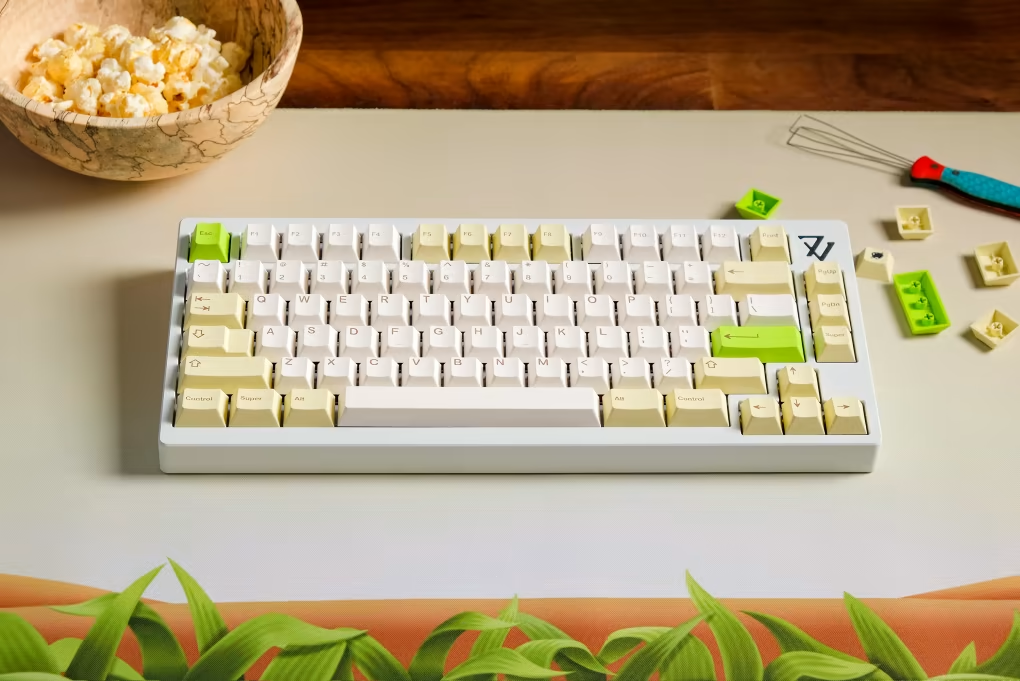

For mechanical keyboard users, keycaps are not just decorative components. They directly affect typing comfort, keyboard sound, durability, and the overall experience of using a custom keyboard. While switches often receive the most attention, choosing the right keycaps can significantly change how a keyboard feels during daily use.
Among the many keycap options available today, PBT Dye-Sub Keycaps have become a popular choice among gamers, programmers, office workers, and mechanical keyboard enthusiasts. They combine durable PBT plastic with dye-sublimation technology, creating keycaps that offer a textured feel, long-lasting legends, and a wide range of customization possibilities.
As mechanical keyboards continue growing beyond the enthusiast community, more users are looking for upgrades that improve both performance and aesthetics. A gamer may want keycaps that can handle thousands of hours of gameplay, while a developer may prefer a comfortable surface for long coding sessions.
Understanding how PBT Dye-Sub Keycaps are made, how they compare with other keycap types, and what factors to consider before buying can help users make a more informed decision when upgrading their keyboard.
What Are PBT Dye-Sub Keycaps?
PBT Dye-Sub Keycaps are mechanical keyboard keycaps made from polybutylene terephthalate (PBT) plastic and manufactured using a dye-sublimation printing process.
PBT is an engineering thermoplastic known for its strength, heat resistance, and ability to maintain its texture over extended use. In comparison with ABS plastic, which is commonly used in many stock keyboards, PBT generally develops less surface shine because it is harder and more resistant to oils from fingers.
The term “Dye-Sub” refers to dye sublimation, a process where heat transfers colored dye into the surface layer of the keycap. Instead of printing letters or designs on top of the keycap, the pigment becomes embedded into the plastic material.
This manufacturing method allows manufacturers to create detailed designs while maintaining a durable legend structure. For users who type or game for several hours every day, this can provide a more consistent experience over time.
For example, a software developer who spends 8–10 hours daily writing code may prefer PBT Dye-Sub Keycaps because the textured surface can provide a stable finger feel during long typing sessions. Similarly, gamers who frequently use WASD keys may appreciate keycaps that maintain their original texture after extended use.
For users looking for different designs and styles, you can explore our collection of PBT Dye-Sub Keycaps for mechanical keyboard upgrades.
See also: How to Create a Winning Business Plan
How Does Dye-Sublimation Work on PBT Keycaps?
Dye sublimation is a heat-based printing technology that transfers dye directly into the PBT material. During production, the dye changes from a solid state into a gas under high temperatures and bonds with the surface layer of the keycap.
The general manufacturing process includes several steps:
| Manufacturing Step | Description |
| Design preparation | Legends, patterns, or artwork are printed onto transfer paper using specialized dye pigments |
| Heat transfer | The transfer paper is placed onto the PBT keycap surface and heated under controlled conditions |
| Dye penetration | The pigment penetrates the upper layer of the plastic material |
| Final processing | The keycap is cleaned, inspected, and prepared for packaging |
Because the dye becomes part of the keycap surface rather than sitting only on top, dye-sublimated legends are typically resistant to normal wear caused by daily typing.
However, dye sublimation also has certain design limitations. Traditional dye-sub methods work particularly well when darker colors are applied to lighter keycaps. More complex color combinations may require advanced techniques, such as reverse dye sublimation.
Compared with other legend methods, dye sublimation is valued for its ability to produce detailed artwork while maintaining a durable finish. This is one reason why many custom keyboard designers choose this process for themed keycap sets.
Why Are PBT Dye-Sub Keycaps Popular Among Mechanical Keyboard Users?
The popularity of PBT Dye-Sub Keycaps comes from their combination of durability, comfort, and customization options.
One important reason is the material’s ability to maintain its surface texture. During daily use, keycaps are constantly exposed to finger oils, friction, and temperature changes. Over time, some plastic materials may become smoother and develop a glossy appearance.
PBT keycaps usually maintain a more textured, matte-like surface, which many users find comfortable for extended typing sessions.
For gaming users, this can be especially useful. A competitive player who uses the same keyboard for FPS games every day may experience heavy wear on frequently pressed keys such as W, A, S, D, and Shift. PBT Dye-Sub Keycaps can help maintain a consistent feel across those frequently used areas.
Another advantage is customization. Mechanical keyboard enthusiasts often build keyboards around specific themes, colors, or layouts. Dye sublimation supports detailed designs that may include:
Retro computer themes
Minimalist professional styles
Gaming-inspired graphics
Personalized color combinations
Artistic patterns
According to data from mechanical keyboard communities and market discussions, customization has become one of the major reasons users move from standard keyboards to custom mechanical keyboard setups. Communities such as the MechanicalKeyboards subreddit have millions of members sharing builds, modifications, and keycap designs, showing continued interest in personalized keyboard accessories.
For office users, PBT Dye-Sub Keycaps can also improve the everyday experience. A writer, programmer, or designer who types for many hours may prefer the stable texture and sound characteristics that quality PBT keycaps provide.
PBT Dye-Sub Keycaps vs Other Keycap Types: What Are the Differences?
Different keycap materials and manufacturing methods create different experiences. The main differences usually involve durability, texture, appearance, and production method.
| Feature | PBT Dye-Sub Keycaps | ABS Keycaps | Double-Shot Keycaps |
| Material | PBT plastic | ABS plastic | Usually ABS or PBT |
| Legend Method | Dye sublimation | Printed or molded legends | Two layers of plastic molded together |
| Surface Feel | Textured and matte | Smooth, softer feel | Depends on material |
| Shine Resistance | Generally higher | Generally lower | Depends on plastic type |
| Design Flexibility | High | High | High |
| Common Users | Enthusiasts, gamers, professionals | General keyboard users | Premium keyboard users |
PBT Dye-Sub Keycaps vs ABS Keycaps: Which One Is Better?
ABS and PBT are the two most common plastics used for mechanical keyboard keycaps.
ABS keycaps are widely used because they are lightweight, easy to manufacture, and capable of producing bright colors. Many mainstream mechanical keyboards use ABS keycaps because they offer a smooth typing experience.
However, ABS plastic is softer than PBT. After months or years of heavy usage, frequently pressed keys may develop a smoother and shinier appearance.
For example, an office worker who types thousands of words every week may notice the spacebar and frequently used letter keys becoming glossy over time on ABS keycaps.
PBT Dye-Sub Keycaps are often preferred by users who want a more textured surface and better resistance to visible wear. However, some users still prefer ABS because of its smoother feel and different sound characteristics.
The better choice depends on personal preference, typing habits, and the overall keyboard setup.
PBT Dye-Sub Keycaps vs Double-Shot Keycaps: Which One Should You Choose
Double-shot keycaps are produced by molding two separate pieces of plastic together. One plastic layer creates the keycap body, while another forms the legend.
The biggest advantage of double-shot keycaps is that the legends are physically part of the keycap structure. This makes them popular for keyboards with RGB backlighting because light can shine through the transparent legend layer.
PBT Dye-Sub Keycaps, on the other hand, are popular because they provide:
Detailed artwork possibilities
Durable legends
A textured PBT typing surface
More design flexibility for custom sets
Both options can provide excellent performance when manufactured with quality materials.
Users who prioritize RGB lighting may prefer double-shot keycaps, while users who value custom designs and a traditional PBT texture may prefer dye-sublimated keycaps.
How to Choose the Best PBT Dye-Sub Keycaps for Your Mechanical Keyboard?
Choosing the right PBT Dye-Sub Keycaps requires considering compatibility, profile, thickness, and personal usage.
First, check your keyboard layout. Keycap sets are usually designed for specific layouts, including:
60% keyboards
65% keyboards
75% keyboards
TKL keyboards
Full-size keyboards
Make sure the set includes the correct spacebar size, modifier keys, and stabilizer compatibility.
Keycap profile is another important factor.
| Profile | Characteristics |
| Cherry Profile | Lower height, popular among enthusiasts |
| OEM Profile | Common on many commercial keyboards |
| XDA Profile | Uniform height across rows |
| SA Profile | Taller design with a classic appearance |
For long typing sessions, many users prefer lower-profile designs because they feel more natural and comfortable. Others choose taller profiles because they enjoy the unique appearance and sound.
Keycap thickness can also influence sound. Thicker PBT keycaps often produce a deeper typing tone when combined with quality mechanical switches.
Finally, consider your usage scenario:
Gamers: Look for durable materials and comfortable profiles.
Programmers: Consider texture and long-session comfort.
Office users: Choose designs that match your workspace and typing preference.
Keyboard enthusiasts: Focus on artwork, color combinations, and customization.
Conclusion
PBT Dye-Sub Keycaps have become a popular upgrade option for mechanical keyboard users because they combine durable PBT material with a reliable dye-sublimation printing process.
They provide a balance between long-term usability, comfortable texture, and creative customization. While ABS and double-shot keycaps each have their own advantages, PBT Dye-Sub Keycaps remain a practical choice for many users who want a durable and visually appealing keyboard upgrade.
Before purchasing, consider your keyboard layout, typing habits, preferred keycap profile, and design style. The right keycap set can help create a more enjoyable typing and gaming experience.
FAQs
What are PBT Dye-Sub Keycaps made of?
PBT Dye-Sub Keycaps are made from polybutylene terephthalate (PBT), a durable thermoplastic material commonly used for mechanical keyboard keycaps. Their legends are created through a dye-sublimation process, where heat transfers dye into the keycap surface.
Do PBT Dye-Sub Keycaps fade over time?
High-quality PBT Dye-Sub Keycaps are designed to maintain their legends during normal daily use. Since the dye penetrates into the plastic surface instead of being placed only on top, the legends generally have good durability. Actual lifespan may vary depending on manufacturing quality and usage conditions.
Are PBT Dye-Sub Keycaps worth buying for gaming and everyday typing?
For many mechanical keyboard users, PBT Dye-Sub Keycaps are a worthwhile upgrade because they provide a durable texture, customizable designs, and a comfortable typing experience. They are suitable for gaming, programming, office work, and custom keyboard projects where users want both functionality and aesthetics.