
If you are searching for Mold Testing in New York, you are likely dealing with a common concern many NYC property owners face: musty odors, visible spots on walls, or unexplained allergy symptoms inside the home. Mold can grow quietly behind walls, under flooring, or in damp basements, especially in older New York buildings where moisture control is a constant challenge.
In most cases, mold testing is the first step to understand whether there is a real problem and how serious it is. In New York City, testing is not just about confirming mold—it is about identifying the type of mold, measuring indoor air quality, and understanding moisture sources that may be feeding the growth.
At Quest Mold and Asbestos Inspections and Testing, we conduct detailed inspections across NYC to help property owners make informed decisions before mold spreads further or causes structural damage.
One of the most common questions we receive is simple: How much does mold testing cost in NYC? The answer depends on several factors, which we explain in detail below.
Average Mold Testing Cost in NYC: What You Can Expect
The cost of mold testing in New York City typically ranges between $300 to $900 for a standard residential property. However, larger homes, commercial buildings, or cases requiring advanced lab analysis can go beyond this range.
Pricing usually depends on how detailed the inspection needs to be and how many samples are collected.
In general, here is what influences the cost:
- Basic visual inspection with air sampling: Lower cost range
- Full property inspection with multiple samples: Mid-range cost
- Commercial or multi-unit testing: Higher cost range
- Lab analysis and detailed reporting: Additional charges may apply
For most NYC homeowners, a standard mold inspection with air and surface testing is usually enough to understand the situation clearly.
What You Are Paying For During Mold Testing
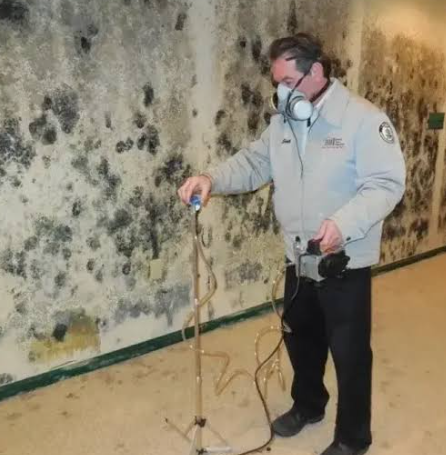
Many homeowners think mold testing is only about taking a swab or air sample, but the process is more detailed. When we perform Mold Testing in New York, the cost includes multiple professional steps designed to ensure accurate results.
A typical inspection includes:
- A full visual examination of the property
- Moisture detection using specialized equipment
- Air sampling from multiple rooms if needed
- Surface testing from suspected areas
- Laboratory analysis of collected samples
- A detailed report explaining mold type and concentration
Each step plays an important role in identifying hidden mold growth that may not be visible to the eye. In NYC apartments, mold often grows behind paint, under sinks, or inside HVAC systems, making professional testing essential.
Key Factors That Affect Mold Testing Prices in NYC
Not every mold inspection costs the same. Several important factors influence the final price, especially in a city like New York where building conditions vary widely.
1. Property Size and Layout
Larger apartments, brownstones, and commercial spaces require more time and more samples. A small studio apartment may need only one or two air samples, while a multi-story building may require multiple test points.
2. Level of Contamination
If visible mold is already present or if there is a strong odor, inspectors may need additional testing to identify how far the contamination has spread.
3. Type of Testing Required
Different situations require different methods:
- Air quality testing
- Surface swab testing
- Bulk material testing
- Moisture mapping
More complex testing increases the overall cost.
4. Laboratory Fees
Samples collected from your property are sent to certified labs. The number of samples directly affects the total price.
5. Emergency or Same-Day Inspection
Urgent mold inspections in NYC, especially after flooding or leaks, may include additional service fees due to priority scheduling.
Why Mold Testing in NYC Is Often More Detailed Than Other Cities
New York City properties are unique. Many buildings are older, tightly packed, and exposed to constant humidity changes. Because of this, mold issues are often hidden rather than obvious.
In NYC, mold testing is more detailed because:
- Many buildings have shared ventilation systems
- Water leaks from neighboring units are common
- Basements and ground floors often stay damp
- Renovations may trap moisture inside walls
- Rooftop leaks can spread across multiple floors
Due to these conditions, professional inspectors often recommend more than a basic visual check. Proper Mold Testing in New York helps prevent recurring mold problems that are common in urban housing.
When You Should Get Mold Testing Done
Mold testing is not only for visible mold problems. In many NYC homes, mold grows silently for weeks or months before it becomes visible.
You should consider professional testing if you notice:
- A musty or damp smell indoors
- Water stains on ceilings or walls
- Recent flooding or pipe leaks
- Increased allergy symptoms indoors
- Peeling paint or bubbling walls
- Persistent humidity in certain rooms
Even if you cannot see mold, these signs often indicate hidden moisture issues that need immediate attention.
At Quest Mold and Asbestos Inspections and Testing, we often find hidden mold in places homeowners never suspect, especially behind drywall and under flooring.
What Happens After Mold Testing Results Are Ready
Once the samples are analyzed in a certified lab, you receive a detailed report. This report is the most important part of the entire process because it explains what is actually happening inside your property.
A typical mold report includes:
- Type of mold identified (such as Aspergillus or Cladosporium)
- Concentration levels in different areas
- Comparison of indoor vs outdoor air quality
- Risk level assessment
- Recommendations for remediation if needed
This report helps you decide whether cleanup is necessary or if further investigation is required. In some cases, testing shows that mold levels are normal and no treatment is needed.
Is Mold Testing Worth the Cost in New York?
Many homeowners hesitate because of the cost, but mold testing is often a small investment compared to potential damage. Untreated mold can affect both property value and indoor air quality.
Here is why testing is considered important:
- It identifies hidden mold before it spreads
- It helps prevent costly structural repairs
- It improves indoor air safety
- It supports insurance claims after water damage
- It gives clear direction for remediation work
In NYC real estate, even minor mold issues can affect property transactions. Buyers and renters often request professional mold reports before finalizing agreements.
Choosing the Right Mold Inspection Service in NYC
Not all testing services provide the same level of accuracy. In a market like New York City, experience and proper certification matter.
When selecting a service, look for:
- Certified mold inspectors with local experience
- Use of professional-grade testing equipment
- Clear lab reporting with no hidden interpretation
- Knowledge of NYC building structures
- Transparent pricing without surprise charges
Quest Mold and Asbestos Inspections and Testing focuses on accurate testing methods, clear reporting, and reliable inspection processes tailored for New York buildings. Our approach is designed to help property owners understand the real condition of their indoor environment without confusion or unnecessary services.
See also: How to Create a Winning Business Plan
Understanding the Real Value Behind Mold Testing Costs
While the average cost of Mold Testing in New York may seem like just another home expense, it actually plays a key role in protecting both health and property. Mold is not always visible, and in many NYC buildings, it develops slowly behind surfaces where damage can go unnoticed.
The real value of testing is clarity. It helps you understand whether you are dealing with a minor moisture issue or a serious hidden mold problem that requires immediate remediation.
Instead of guessing or relying on surface appearances, professional testing provides verified lab results and expert interpretation. This level of accuracy is what makes mold inspection an essential service in New York City housing conditions.
If you are dealing with uncertain moisture issues or want to confirm indoor air safety, professional testing remains the most reliable first step.