
The apparel industry moves at a relentless pace. New trends appear overnight, seasonal collections rotate quickly, and customers expect both quality and speed. For many brands and boutiques, traditional decoration methods like screen printing and vinyl are no longer practical. These older techniques often require large order quantities, involve lengthy preparation, and limit the types of fabrics that can be printed.
This shift in industry demands has led many apparel businesses to adopt DTF transfer printing as a more adaptable and efficient solution.
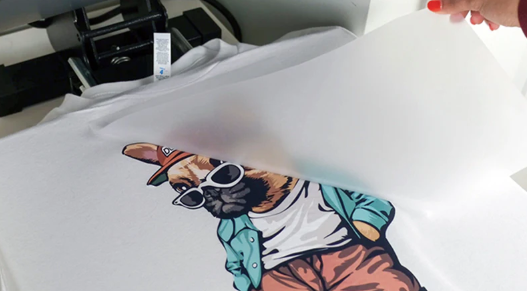
A DTF transfer (Direct-to-Film transfer) works by printing a design onto a specialized film, which is then heat-pressed onto a garment. The process is simple, fast, and compatible with a wide range of materials. For clothing brands handling small runs, seasonal pieces, or custom orders, this approach offers a level of flexibility that older methods cannot match.
Compatible With a Wide Range of Fabrics
Fabric compatibility has always been a challenge with conventional printing. Screen printing performs best on cotton, while vinyl can struggle with stretchy or textured textiles. DTF transfer printing removes these limitations.
With one consistent process, designs can be applied to cotton, polyester, blended fabrics, fleece, nylon, and more. This gives apparel brands the freedom to diversify their product line—whether producing t-shirts, hoodies, tote bags, jackets, or caps—without worrying about whether the print method will work on a specific material.
Freedom From Minimum Order Quantities
One of the biggest drawbacks of screen printing is the need for bulk orders to make the setup worthwhile. This often forces brands to produce more inventory than they actually need, especially for seasonal designs.
DTF transfer printing does not require minimum quantities. A brand can print a single garment or a hundred garments with equal ease. This is particularly beneficial for small labels, local boutiques, and print-on-demand stores that want to avoid overproduction and reduce financial risk.
Ideal for Trend-Driven and Seasonal Designs
Fashion is heavily influenced by seasons, events, and social media trends. Whether it’s holiday collections, event merchandise, or limited-edition drops, brands need a printing method that allows them to react quickly.
DTF transfers can be prepared in advance and applied to garments only when needed. This enables businesses to produce Christmas apparel, Halloween themes, Valentine’s designs, or trending graphics without committing to large inventories months ahead of time.
Faster Production and Delivery
Time plays a critical role in apparel fulfillment. Waiting for screens to be prepared or vinyl designs to be cut slows down the process. DTF transfer printing eliminates most of these delays.
The transfers are ready to use, and applying them with a heat press takes only seconds. This allows brands and boutiques to complete orders rapidly, even during busy periods. Faster production leads directly to improved customer satisfaction.
See also: Technology and Digital Identity
Professional Print Quality and Durability
Print quality is a reflection of a brand’s reputation. Cracked, faded, or peeling prints negatively affect how customers perceive a garment. DTF transfers produce sharp details, rich colors, and a soft finish that remains intact after multiple washes.
Unlike vinyl, which can feel heavy on fabric, DTF prints blend smoothly into the garment, enhancing both comfort and visual appeal.
Lower Production Costs
Traditional printing involves significant setup costs, materials, and labor. DTF transfer printing simplifies operations and reduces overhead because there is no need for screen preparation, excessive equipment, or wasted materials.
This cost efficiency makes it easier for new clothing brands to start production without large investments and helps established brands reduce operational expenses.
Perfect for Custom and Personalized Apparel
Personalization has become a major trend in apparel. Customers want unique names, slogans, and custom graphics. Screen printing struggles with this because every design variation requires new preparation.
DTF transfers allow easy customization. Brands can create personalized t-shirts, corporate apparel, event merchandise, and small private-label batches without changing the process.
Supports Print-on-Demand Business Models
Many modern clothing brands follow a print-on-demand model to avoid inventory risks. DTF transfer printing aligns perfectly with this approach. Transfers can be stored flat and applied only when an order is placed.
This means businesses do not have to pre-print garments or guess future demand. They produce only what is sold.
Simplified Storage and Inventory
Pre-printed garments require significant storage space. In contrast, DTF transfers can be stored as flat sheets, allowing businesses to keep hundreds of designs without needing large storage areas.
For boutiques and small operations with limited space, this is a major logistical advantage.
Suitable for Businesses of All Sizes
Whether a startup clothing label or a large apparel manufacturer, DTF transfer printing scales easily. Small brands benefit from affordability and flexibility, while larger brands gain speed and production efficiency.
This technology supports both small-batch customization and large-scale garment decoration.
A Modern Approach to Apparel Printing
The apparel industry is moving toward smarter and more responsive production methods. DTF transfer technology fits perfectly into this evolution. It allows brands to test designs quickly, launch collections faster, and operate without unnecessary complexity.
As adoption continues to grow, DTF is becoming a standard method for modern apparel printing rather than just an alternative.
Conclusion
For apparel brands and boutiques seeking to improve speed, reduce costs, and deliver high-quality prints, DTF transfer printing offers a practical and future-ready solution. It removes the limitations of traditional printing methods and supports flexible, low-risk garment production.
From seasonal collections to personalized designs and print-on-demand operations, DTF transfer printing provides the tools modern fashion businesses need to remain competitive and responsive in a fast-changing market.