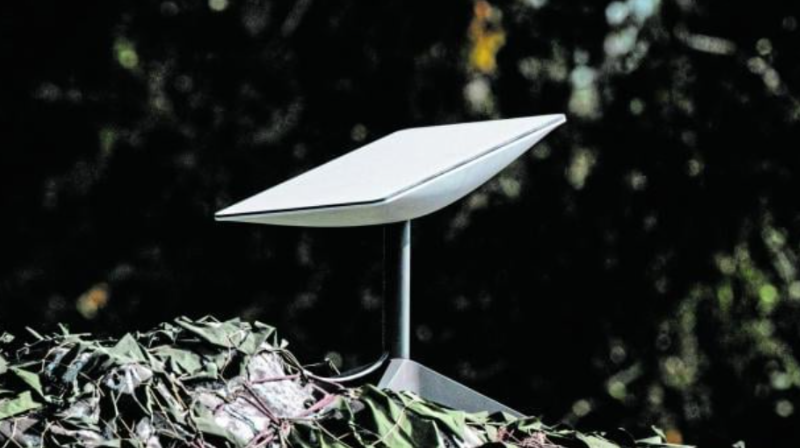

Kuwait is rapidly embracing digital transformation across government, energy, finance, education, and private enterprises. As organizations modernize operations and remote work becomes a long-term reality, reliable connectivity is no longer optional. While fiber and mobile networks cover major urban areas, they often struggle to deliver consistent performance in remote sites, offshore facilities, desert locations, and during network congestion or outages. This is where satellite internet in Kuwait is emerging as a powerful enabler of remote work and nationwide digital transformation.
The Connectivity Challenge in a Digitally Ambitious Kuwait
Kuwait’s Vision 2035 emphasizes digital infrastructure, smart services, and economic diversification. However, geographical realities create gaps in terrestrial connectivity. Oil fields, construction sites, maritime operations, disaster recovery locations, and temporary project sites frequently operate beyond the reach of fiber or stable 5G networks. Even in cities, businesses require redundancy to ensure uninterrupted operations.
Traditional internet solutions depend heavily on ground-based infrastructure, which can be vulnerable to physical damage, capacity limitations, or downtime. Satellite-based connectivity bypasses these constraints by delivering internet access directly from space, ensuring coverage wherever there is a clear view of the sky.
Why Satellite Internet Matters for Remote Work
Remote work depends on stable, secure, and high-availability internet. Video conferencing, cloud platforms, ERP systems, and collaboration tools all require consistent bandwidth and low downtime. For professionals working from remote regions or for organizations managing distributed teams, satellite internet in Kuwait provides a dependable alternative.
Satellite connectivity allows employees to work effectively from desert camps, offshore rigs, rural facilities, or temporary housing sites. It also supports business continuity strategies, enabling companies to maintain operations during fiber cuts, network failures, or emergencies. As remote and hybrid work models continue to expand, satellite internet is becoming a strategic asset rather than a backup option.
Enabling Digital Transformation Across Industries
Digital transformation is not limited to office environments. Kuwait’s key industries are increasingly data-driven and technology-dependent.
- Oil and Gas operations rely on real-time data transmission, remote monitoring, IoT sensors, and secure communications across vast and isolated locations.
- Construction and Infrastructure projects require connectivity for project management platforms, BIM tools, and remote inspections.
- Logistics and Maritime sectors depend on constant communication between ships, ports, and headquarters.
- Healthcare and Education benefit from telemedicine, e-learning platforms, and remote consultations, especially in underserved areas.
Satellite internet enables these sectors to deploy digital tools without waiting for physical network expansion. It accelerates modernization timelines and ensures that transformation efforts are not limited by geography.
See also: Important Factors That Used Cars Have When Buying
Reliability and Security Advantages
One of the biggest advantages of satellite internet is resilience. Because it operates independently of terrestrial infrastructure, it remains functional during natural disasters, cable damage, or local network outages. For mission-critical operations, this reliability is essential.
Security is another key factor. Modern satellite internet solutions support encrypted connections, private networks, and compliance with enterprise security standards. This makes them suitable for government entities, financial institutions, and enterprises handling sensitive data. When implemented correctly, satellite connectivity can be as secure as traditional wired networks.
The Role of SamaX in Satellite Connectivity
As demand for advanced connectivity grows, specialized providers are playing a crucial role in delivering reliable solutions. SamaX has positioned itself as a trusted name in delivering satellite internet services tailored to Kuwait’s unique operational environments.
SamaX focuses on enterprise-grade satellite solutions designed for remote work, industrial operations, and digital transformation initiatives. By offering scalable bandwidth, rapid deployment, and ongoing technical support, SamaX helps organizations overcome connectivity barriers and focus on productivity and innovation.
Whether it is a temporary project site, a remote facility, or a requirement for network redundancy, SamaX solutions are designed to integrate seamlessly with existing IT infrastructure. This flexibility allows businesses to adopt satellite internet not just as a backup, but as a core component of their digital strategy.
Supporting Business Continuity and Growth
In a competitive and fast-moving economy, downtime translates directly into lost revenue and reduced efficiency. Satellite internet ensures continuity by providing always-on connectivity regardless of location or ground network conditions.
For startups and SMEs, satellite internet lowers the barrier to expansion. Businesses can launch operations in new areas without waiting months for fiber installation. For large enterprises, it supports rapid scaling, mergers, and new project deployments. This agility is essential for organizations aiming to stay ahead in Kuwait’s evolving digital landscape.
Cost Efficiency and Long-Term Value
While satellite internet was once considered expensive, advancements in technology have significantly improved cost efficiency. Modern solutions offer flexible pricing models based on bandwidth requirements and usage, making them viable for a wide range of organizations.
When compared to the cost of building new terrestrial infrastructure in remote areas, satellite internet often proves to be more economical and faster to deploy. The long-term value lies not just in connectivity, but in the ability to unlock digital tools, improve collaboration, and enhance decision-making across the organization.
The Future of Satellite Internet in Kuwait
As low-earth orbit (LEO) and high-throughput satellite technologies continue to evolve, performance improvements such as lower latency and higher speeds are becoming more accessible. This evolution further strengthens the role of satellite internet in Kuwait as a foundation for remote work, smart industries, and national digital initiatives.
In the coming years, satellite connectivity will increasingly complement fiber and 5G networks, creating a hybrid connectivity ecosystem. Organizations that adopt this approach early will be better positioned to support innovation, resilience, and sustainable growth.
Conclusion
Satellite internet is no longer a niche solution reserved for extreme environments. In Kuwait, it is becoming a strategic enabler of remote work and digital transformation across industries. By overcoming geographical limitations, enhancing reliability, and supporting modern digital applications, satellite connectivity empowers organizations to operate without boundaries.
With experienced providers like SamaX delivering tailored, secure, and scalable solutions, businesses and institutions in Kuwait can confidently embrace the future of work and digital innovation. As connectivity demands continue to rise, satellite internet stands out as a key pillar in building a resilient, connected, and digitally transformed Kuwait.