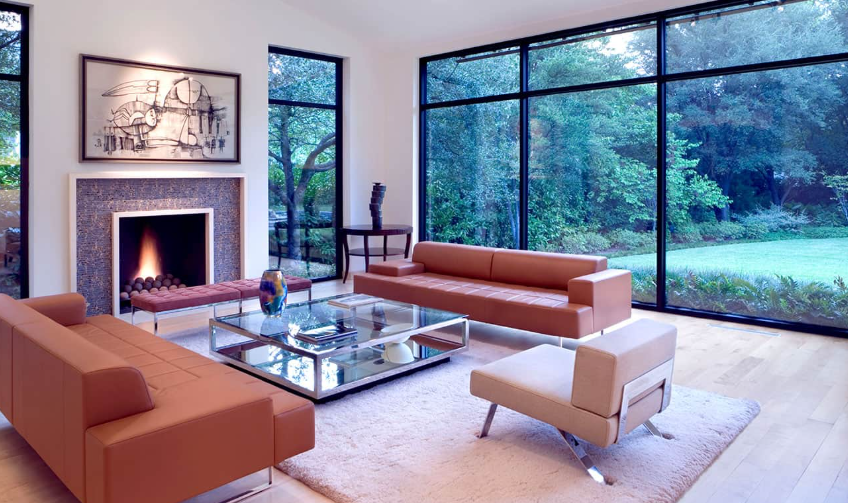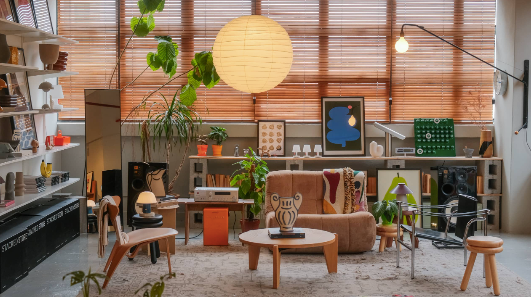

A thoughtfully placed mirror changes more than a wall. It changes how a room reads: how light travels, how crowded the corners feel, and whether the space looks harsh or composed. In interiors built around straight lines and structured furniture, one of the simplest ways to soften the atmosphere is to introduce a circular form. That is why round mirrors keep appearing in living rooms, bathrooms, hallways, and dressing spaces. They make a room feel less rigid without giving up the practical benefits that mirrors already provide.
Why circular mirrors feel softer than angular ones
House Beautiful’s decorating guide notes that round mirrors add softness and can work equally well in traditional and contemporary spaces. That observation matters because shape changes tone. A rectangular mirror often supports order and symmetry, while a circular one breaks the dominance of edges, corners, and vertical lines. In rooms with straight shelving, square tables, and hard transitions, that softening effect can make the design feel more complete.
HomeKode makes a similar point in its Dubai-focused mirror guide, describing circular accents as a way to create visual harmony and soften angular furniture. This is not only about style preference. The circle changes the emotional reading of a room. It often feels calmer, less formal, and slightly more inviting than a sharper silhouette.
Where round mirrors work especially well
Placement determines whether a round mirror reads as a focal point or as a supporting accent. House Beautiful suggests that a mirror above a sofa, sideboard, or mantel can create a strong visual center while also adding depth. That advice works particularly well with circular shapes, because the round outline is decorative enough to stand alone without looking heavy.
This is where a round mirror fits naturally into room styling. In a bathroom, a circular mirror can modernize the vanity area. In a hallway, it can relieve the tunnel effect created by long lines. In a living room, it can act as a softer counterpoint to rectangular artwork, cabinets, or media walls.
How round mirrors still deliver practical space benefits
The aesthetic difference should not hide the practical one. Architectural Digest emphasizes that mirrors help a room feel brighter and wider by bouncing light and extending sight lines. Round mirrors do the same, even if their impact is expressed differently from large floor mirrors or full mirrored walls. When placed near a window or light source, they still help distribute brightness and prevent a room from feeling visually closed in.
HomeKode’s round-mirror collection also shows how flexible the category has become. The range includes frameless styles, black and gold framed pieces, and several backlit options, including larger statement designs. That flexibility matters because a round mirror is not locked into one look. It can feel minimalist, decorative, dramatic, or spa-like depending on the frame, scale, and lighting.
Why round mirrors suit modern interiors so well
One reason circular mirrors stay relevant is that they cooperate easily with contemporary design. They can soften minimalist spaces without cluttering them, and they can sit comfortably inside more layered or traditional schemes as well. Homes & Gardens points out that circular bathroom mirrors can add a distinctly modern edge while still working inside more classic interiors. That adaptability is one of the shape’s biggest strengths.
They also solve a common design problem: how to introduce visual interest without adding something that feels noisy. A round mirror creates contrast through form alone. It changes the wall composition, but it does so quietly.
See also: Exploring a Seamless Way to Shop for Home Essentials
Why circular mirrors are likely to remain a staple
Round mirrors continue to matter because they combine design softness with practical performance. They reflect light, create depth, and help a room feel less severe. More importantly, they do this without demanding a complicated styling strategy. When a space needs balance as much as brightness, a circular mirror is often the right answer.