
In modern industrial, commercial, and residential settings, the demand for reliable and efficient vertical transportation has grown significantly. Hydraulic lifts have become a cornerstone technology in meeting this demand, offering robust performance, precision, and safety across a wide range of applications. From warehouses and factories to high-rise buildings and specialized accessibility solutions, hydraulic lifts are redefining how people and materials are moved vertically.
Hydraulic lifts operate by using a pressurized fluid to generate force, which moves a piston or cylinder to lift or lower a platform. This simple yet powerful mechanism allows for smooth, controlled motion capable of handling heavy loads, making them ideal for heavy-duty vertical transportation. The evolution of hydraulic lift technology reflects the ongoing pursuit of efficiency, safety, and adaptability in modern facilities.
The Advantages of Hydraulic Lifts
Hydraulic lifts offer several advantages that have contributed to their widespread adoption in industrial and commercial operations. First, they provide exceptional load-bearing capacity, capable of lifting several tons with relative ease. Unlike traditional mechanical lifts that rely on counterweights and pulleys, hydraulic lifts generate force directly from fluid pressure, resulting in smoother operation and greater flexibility in design.
Second, hydraulic lifts are inherently safe and stable. Modern systems incorporate multiple safety features, including pressure relief valves, emergency lowering mechanisms, and overspeed protection, ensuring reliable operation even under challenging conditions. Additionally, hydraulic lifts can be installed in locations where space is limited, as they do not require the extensive overhead structures that mechanical lifts often need.
Third, hydraulic lifts are energy-efficient when designed with modern technology. Variable-speed drives, energy-recovery systems, and optimized fluid circulation allow operators to minimize power consumption without sacrificing performance. These features make hydraulic lifts not only a practical choice for heavy-duty applications but also a sustainable solution for long-term vertical transportation needs.
Industrial Applications of Hydraulic Lifts
Hydraulic lifts are extensively used across multiple industries due to their versatility and performance. In manufacturing plants, they transport raw materials, work-in-progress products, and finished goods between different floor levels or production stages. In warehouses and logistics centers, hydraulic lifts enhance efficiency by facilitating rapid movement of pallets, crates, and heavy equipment, supporting high-throughput operations.
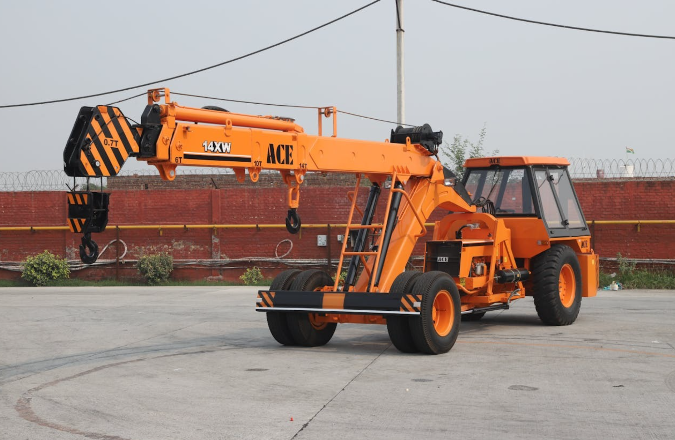
Construction and maintenance industries also benefit from hydraulic lifts in handling heavy tools, machinery, and personnel. The adaptability of hydraulic lifts allows them to be integrated into temporary or mobile platforms, providing flexible vertical access in dynamic environments. Across all these applications, the reliability and safety of hydraulic lifts directly contribute to operational efficiency and cost savings.
Hydraulic Wheelchair Lifts and Accessibility
Beyond industrial and commercial applications, hydraulic lifts play a crucial role in accessibility solutions, particularly through Hydraulic Wheelchair Lifts. These lifts are specifically designed to provide safe and smooth vertical transportation for individuals with mobility challenges. Installed in residential homes, public buildings, and transport vehicles, hydraulic wheelchair lifts ensure that all individuals can access different floor levels safely and independently.
Hydraulic wheelchair lifts operate on the same principles as industrial hydraulic lifts but are tailored for personal safety, comfort, and ease of use. Features such as gentle start and stop motion, anti-slip platforms, and user-friendly controls enhance the safety and convenience of these lifts. Regular maintenance and professional hydraulic repair services ensure their reliability, which is critical for daily use and compliance with accessibility standards.
Reducing Operational Downtime Through Maintenance
One of the critical factors in maximizing the performance and longevity of hydraulic lifts is proper maintenance. Hydraulic systems are subject to wear and tear due to continuous pressure cycles, fluid contamination, and component fatigue. Professional hydraulic repair and maintenance services ensure that lifts operate efficiently and safely over time.
Scheduled preventive maintenance includes inspecting hydraulic cylinders, checking fluid levels and quality, replacing worn seals and gaskets, and testing system pressures. By proactively addressing potential issues, operators reduce unplanned downtime, avoid costly repairs, and extend the operational lifespan of their hydraulic lifts. This approach is particularly important in industrial environments, where lift failure can disrupt production schedules and impact productivity.
See also: Technology and Digital Identity
Leading Companies Providing Hydraulic Lifts
Several companies have established themselves as leaders in the design, manufacturing, and servicing of hydraulic lifts, delivering reliable solutions for both industrial and accessibility applications.
SabTech is recognized for delivering comprehensive hydraulic lift solutions tailored to industrial and commercial needs. The company emphasizes durability, precision engineering, and energy efficiency. SabTech’s lifts are designed to handle high-load applications and are equipped with modern safety features, making them suitable for warehouses, factories, and specialized accessibility solutions.
Otis is a globally recognized provider of lift solutions, including hydraulic systems. Otis focuses on safety, reliability, and innovation, offering lifts that meet international standards and cater to both high-rise buildings and industrial environments. Their hydraulic lifts are designed for smooth operation, low maintenance, and long-term performance.
Thyssenkrupp is known for its engineering excellence in vertical transportation. Their hydraulic lifts provide robust performance for heavy-duty applications, integrating advanced safety mechanisms and energy-efficient systems that optimize operational costs while maintaining high performance.
Kone specializes in sustainable lift technology, including hydraulic systems designed for industrial, commercial, and accessibility applications. Kone emphasizes energy-efficient operation, smart control systems, and minimal environmental impact, offering solutions that enhance both productivity and sustainability.
Schindler provides hydraulic lifts with a strong focus on safety, reliability, and user experience. Their systems are widely used in industrial facilities, public buildings, and transportation solutions, delivering smooth, stable operation under varying load conditions.
Future Trends in Hydraulic Lift Technology
The evolution of hydraulic lifts is closely tied to advancements in automation, digital monitoring, and energy-efficient design. Future systems are likely to integrate IoT-based condition monitoring, predictive maintenance algorithms, and smart controls to further enhance operational efficiency and reduce maintenance requirements.
Automation allows hydraulic lifts to adjust speed, force, and travel based on load and usage patterns, optimizing energy consumption while maintaining safety and performance. Predictive maintenance systems analyze real-time data to detect early signs of component wear, such as seal leakage, pressure drops, or cylinder fatigue. By leveraging these technologies, operators can plan maintenance proactively, reduce downtime, and improve overall system reliability.
Conclusion
Hydraulic lifts have revolutionized vertical transportation by combining strength, precision, and safety across a broad range of applications. From heavy-duty industrial machinery and warehouse logistics to accessibility solutions like hydraulic wheelchair lifts, these systems provide efficient, reliable, and flexible vertical movement.
Regular maintenance and professional hydraulic repair services are critical to maximizing performance, reducing downtime, and extending equipment lifespan. Leading companies like SabTech, Otis, Thyssenkrupp, Kone, and Schindler offer high-quality hydraulic lift solutions designed to meet diverse operational requirements while emphasizing safety, energy efficiency, and reliability.
As industries continue to adopt automation and smart technologies, hydraulic lifts are poised to become even more efficient, adaptable, and sustainable. Investing in advanced hydraulic lift systems and maintaining them through expert service ensures operational continuity, safety, and long-term productivity, making them an indispensable component of modern industrial and commercial infrastructure.