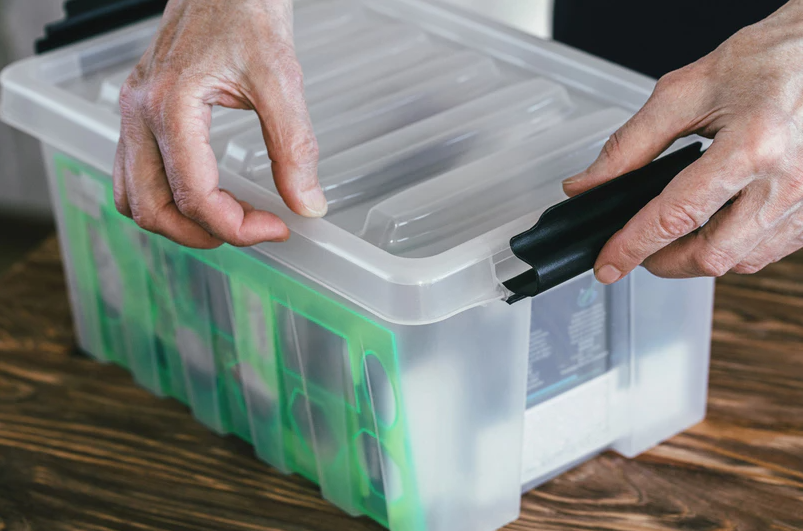

Australia presents some of the toughest operating environments in the world, with extreme heat, strong ultraviolet radiation, sudden weather changes, and vast remote areas that place constant pressure on business infrastructure. Companies involved in logistics, agriculture, food supply, and manufacturing need equipment that performs consistently despite these challenges. Storage and transport containers are no exception. Many organizations rely on plastic crates because of their reputation for strength and reliability, but understanding exactly how they respond to Australian conditions is essential for making informed decisions about long-term use.
Performance in Extreme Heat Across the Country
High temperatures are a defining feature of much of Australia, particularly in inland and northern regions where summer heat can be intense and prolonged. Equipment exposed to these conditions must resist softening, warping, or structural failure. Plastic crates produced from high-grade polymers are specifically designed to maintain their shape and load-bearing ability even when temperatures rise significantly. This stability is critical during transport and storage, where deformation could lead to product damage or unsafe stacking.
Heat resistance also supports consistent handling. When containers maintain rigidity, workers can rely on predictable performance, reducing the risk of accidents or delays. For businesses operating in hot climates year-round, durability under heat stress is not just a convenience but a necessity.
Resistance to UV Exposure and Sunlight
Australia’s high levels of ultraviolet radiation can quickly degrade materials that are not properly protected. Long-term exposure to sunlight often causes fading, surface cracking, and reduced strength in untreated products. Plastic crates designed for outdoor or semi-outdoor use typically include UV stabilizers that slow this degradation process. These additives help preserve both structural integrity and appearance, even when crates are stored or used in open yards and loading areas.
This resistance to UV damage extends the usable life of containers, reducing the need for frequent replacement. For industries that rely on outdoor handling, such as agriculture and construction supply, protection against sunlight is a major factor in overall durability.
Performance in Wet and Humid Conditions
Australia’s climate is not only hot but also highly variable, with heavy rain, humidity, and coastal conditions affecting many regions. Materials that absorb moisture often lose strength, leading to hygiene issues and increased product damage. Plastic crates perform well in wet environments because they are non-porous and do not absorb water. Rain, condensation, and humidity do not compromise their structure, making them suitable for transport and storage in all weather conditions.
This moisture resistance is especially valuable in food and beverage supply chains, where cleanliness and container integrity directly affect product safety. Easy drying and resistance to mold or rot further support long-term use in damp environments.
Strength Under Heavy Loads and Repeated Impact
Harsh conditions also include the physical demands of daily operations. Containers are often stacked, moved by machinery, and transported over long distances on uneven roads. Plastic crates are engineered with reinforced bases and sides to handle heavy loads without collapsing or cracking. Their impact resistance allows them to absorb shocks from handling and transport without compromising performance.
This strength contributes to safer workplaces and more reliable logistics. When containers perform consistently under pressure, businesses experience fewer disruptions, lower product loss, and improved operational efficiency.
See also: How an Enterprise SEO Company Can Boost Your Business Growth
Use in Dusty and Remote Environments
Many Australian industries operate in rural and remote areas where dust, dirt, and debris are unavoidable. Equipment used in these environments must be easy to clean and resistant to abrasion. Plastic crates are well suited to dusty conditions because their smooth surfaces do not trap particles in the same way as porous materials. They can be washed quickly, restoring cleanliness without extensive effort or downtime.
In remote locations, durability also means reliability. Containers that withstand rough handling and environmental exposure reduce the need for frequent replacements, which can be costly and impractical in areas far from supply centers.
Longevity and Low Maintenance Requirements
True durability is measured over years, not months. Plastic crates are designed for repeated use, often lasting through thousands of handling cycles with minimal maintenance. Regular cleaning and basic inspection are usually sufficient to keep them in serviceable condition. This longevity translates into lower long-term costs and more predictable operations.
For businesses facing harsh Australian conditions daily, investing in equipment with a long service life reduces waste, improves sustainability outcomes, and supports stable supply chains.
Conclusion
Australian conditions demand equipment that can withstand heat, sunlight, moisture, physical stress, and environmental exposure without constant replacement. Plastic crates have demonstrated strong durability across these challenges when manufactured to appropriate standards. Their ability to perform reliably in extreme and variable environments makes them a practical choice for businesses seeking long-term performance. By offering strength, resilience, and consistency, they continue to prove their value in some of the harshest operating conditions in the country.