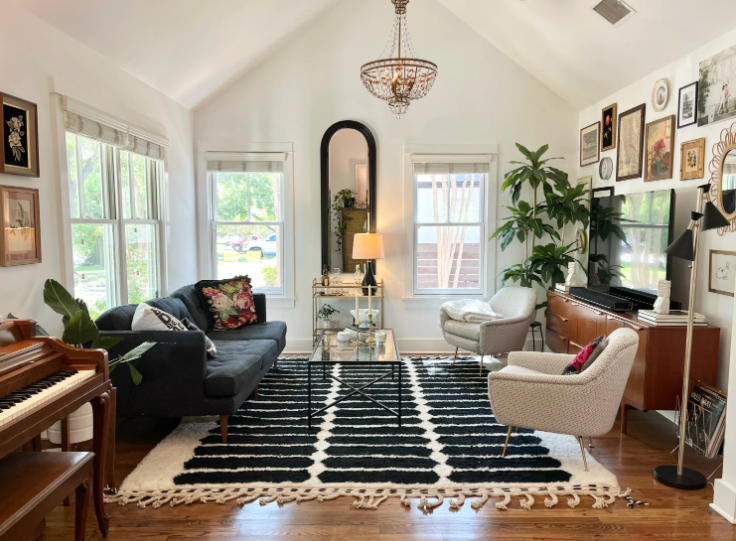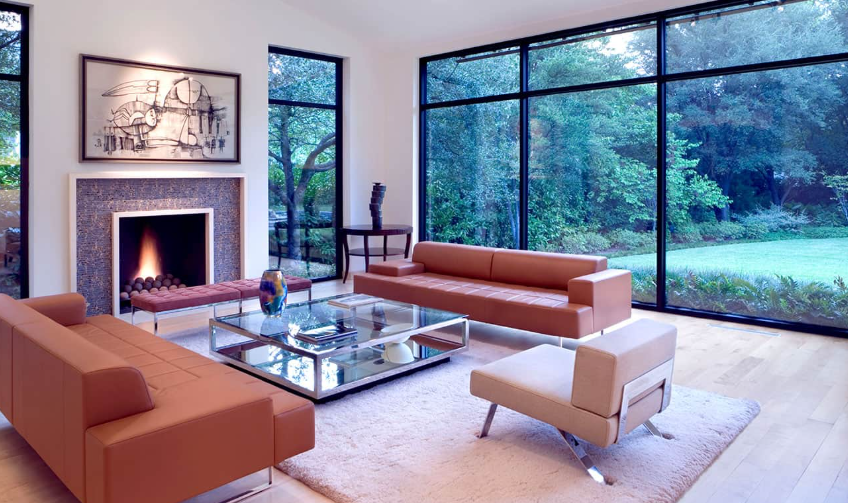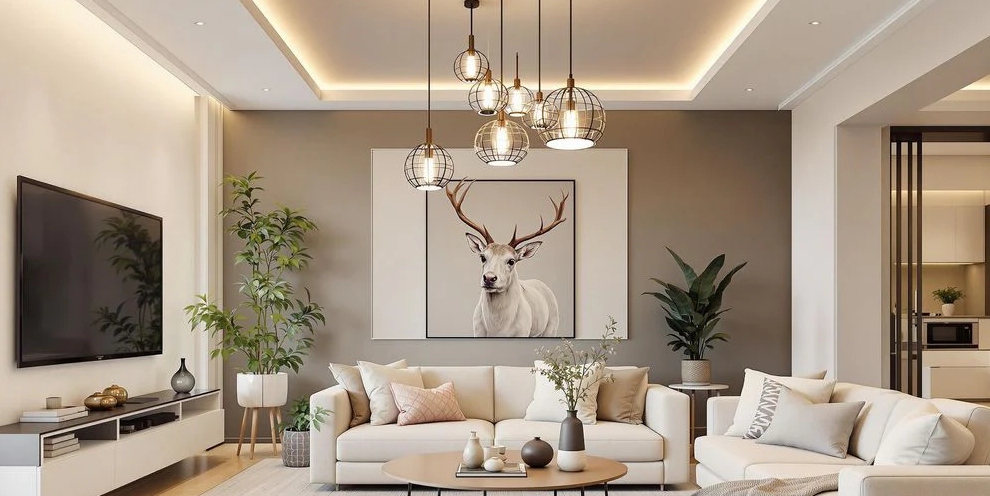

Lighting is one of the most powerful tools in interior design. It has the unique ability to completely alter the mood, tone, and perception of space within your home—especially in the living room, where people gather to relax, entertain, and spend quality time. The right lighting doesn’t just illuminate your surroundings; it enhances textures, colors, and focal points, transforming an ordinary space into one that feels warm, inviting, and full of personality.
In 2025, living room lighting goes beyond simple functionality. It’s about layering, atmosphere, and balance—using light to shape the way the space feels at different times of day. From accenting your favorite artwork to highlighting your TV Stand, thoughtful lighting choices can elevate every corner of your living room.
The Importance of Layered Lighting
A well-designed lighting plan always begins with layers. Instead of relying on a single overhead fixture, combining ambient, task, and accent lighting creates depth and flexibility. Each layer serves a different purpose, contributing to both functionality and ambience.
Ambient lighting is your main source of illumination, typically achieved through ceiling fixtures, recessed lighting, or wall-mounted sconces. It sets the overall tone of the room. For a soft, even glow, consider dimmable lights that allow you to adjust brightness depending on the occasion—whether you’re hosting guests or enjoying a quiet evening in front of your TV Stand.
Task lighting provides focused illumination for specific activities such as reading, working, or playing games. Floor lamps beside armchairs or table lamps on side tables offer direct light without overwhelming the space.
Accent lighting, on the other hand, adds drama and character. It can be used to highlight architectural details, artwork, or decorative furniture pieces—such as the area around your TV Stand. A subtle LED strip under your TV Stand or behind your television, for instance, can create a cinematic glow that enhances the viewing experience and adds a sophisticated touch.
Setting the Mood with Warm and Cool Tones
The color temperature of your lighting dramatically influences the mood of your living room. Warm light (around 2700K–3000K) emits a cozy, golden hue that makes the space feel intimate and comfortable. It’s perfect for relaxing evenings or creating a homely atmosphere.
Cool light (4000K and above), in contrast, produces a crisp, energizing brightness ideal for daytime activities. When used strategically, it can make your living room appear more spacious and modern.
You can also experiment with mixed temperatures. For example, warm lighting near your TV Stand and seating area creates a soothing entertainment zone, while cooler tones in surrounding areas keep the room feeling balanced and open. Smart bulbs make this process easier, allowing you to switch between tones with a simple app or voice command to suit your mood or activity.
Highlighting Focal Points and Architectural Features
Every living room has certain focal points—areas that naturally draw the eye, such as a fireplace, artwork, or entertainment zone. Lighting is the key to emphasizing these features.
If your TV Stand serves as the centerpiece of the room, consider accent lighting to enhance its presence. A pair of wall sconces flanking the TV Stand adds symmetry and depth, while a soft backlight behind your television reduces glare and makes viewing more comfortable. You can also use small spotlights or LED strips to highlight shelves, décor items, or the texture of materials around the TV Stand.
Ceiling-mounted lights directed at artwork or built-in alcoves can further enhance the room’s personality. This technique adds visual interest and prevents the space from feeling flat or monotonous.
See also: How Can You Make Your Living Room Feel More Inviting?
Using Light to Enhance Space and Depth
Lighting can also manipulate how spacious or intimate your living room feels. Properly placed lights can make a small room seem larger or create cozy zones in an open-plan layout.
For instance, uplighting—placing lights at floor level to direct illumination upward—draws the eye to the ceiling, making the room appear taller. Meanwhile, wall washers (lights that spread across walls) can visually expand the width of your space.
Your TV Stand area can benefit from layered light too. A combination of downlights, accent lamps, and subtle under-glow lighting helps define the entertainment zone without overwhelming the rest of the room. By balancing light intensity and placement, you can control the perception of space and create a sense of harmony.
The Role of Decorative Lighting
While functional lighting is essential, decorative fixtures add personality and flair. A statement chandelier, pendant lamp, or artistic floor lamp can serve as a piece of art in its own right.
In modern living rooms, lighting often complements the furniture design. For example, pairing a sleek metal floor lamp with a minimalist TV Stand creates a cohesive, contemporary aesthetic. On the other hand, a rattan pendant light above a wooden TV Stand adds warmth and a touch of bohemian charm.
Consider layering decorative lighting at different heights. Hanging pendants draw attention upward, while table and floor lamps create intimacy at eye level. This combination keeps the space dynamic and engaging.
Smart Lighting for Modern Living
Technology is transforming the way we use lighting at home. Smart systems allow you to customize brightness, color, and timing through mobile apps or voice control. You can program lights to dim automatically in the evening or sync them with your entertainment system for an immersive experience around your TV Stand.
Integrating motion sensors or timers also enhances convenience and energy efficiency. Smart lighting makes it easy to set the perfect mood for any moment—from movie nights to family gatherings—without manually adjusting switches.
Conclusion: Lighting as the Heart of Ambience
Lighting is much more than a practical necessity—it’s an essential design element that defines the atmosphere of your living room. By layering different types of light, adjusting tones, and highlighting focal points like your TV Stand, you can create an environment that shifts seamlessly between functionality and comfort.
Whether you prefer a cozy, intimate setting or a bright, modern feel, the right lighting strategy can bring your vision to life. Thoughtful illumination not only enhances the aesthetics of your furniture but also transforms your living room into a space that feels warm, balanced, and effortlessly beautiful.
In essence, lighting shapes the soul of your home—and with the right design, your TV Stand, décor, and every corner of your living room can glow with character and charm.