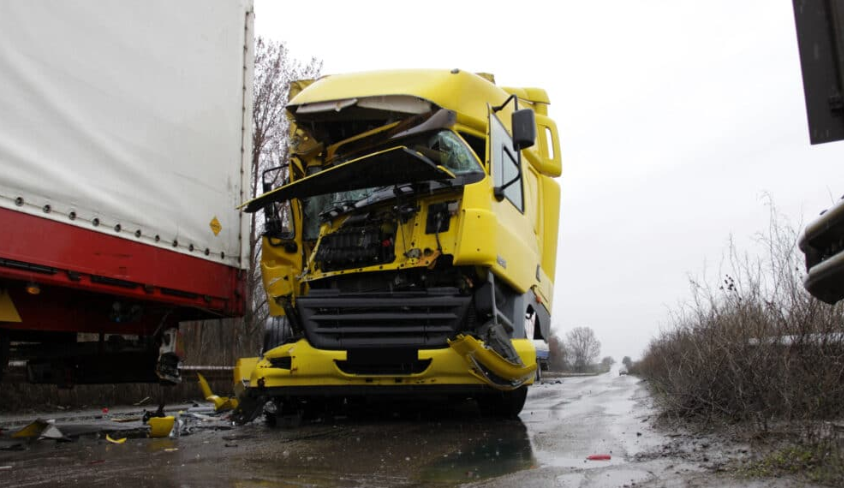

A truck crash hits differently. The sound alone tells you that much. Steel bends. Glass scatters. Traffic freezes. If you were there, you felt it. Your body knew before your mind did. Truck accidents in Houston leave deep marks. On health. On work. On family life. The legal side feels just as heavy. Here’s the thing. Truck injury claims do not follow the same path as car crashes. They move slower. They pull in more people. They also carry higher stakes. Let me explain how these claims are built. Not in legal jargon. In plain, useful terms.
Why truck accident claims feel so different
A car wreck often has two drivers. A truck crash brings a small army.
You may face:
- A truck driver
- A trucking company
- A freight broker
- A cargo loader
- An insurance group you never heard of
Each party protects itself. No rush to help you. Trucks also weigh more. They cause worse injuries. That raises claim value and resistance. Texas law treats these cases with care. Federal rules step in too. That mix shapes the claim from day one.
See also: How Microsoft Dynamics 365 Implementation in KSA Improves Business Intelligence
The basic structure of a truck injury claim
A truck injury claim follows a loose order. Think of it like building a house. You need each layer before the next.
Step one: Duty and breach
Every driver has a duty to drive safely. Truck drivers carry extra duties. So do their employers. The claim starts by showing what went wrong. Speed. Fatigue. Bad brakes. Poor training. Logs, cameras, and records matter here. Miss them, and the case weakens.
Step two: Cause
Next comes the cause. Did that mistake lead to the crash? This part sounds simple. It rarely is. Defense teams push blame around. They point at traffic. Weather. You. Strong claims tie facts together. One clear chain. No loose links.
Step three: Injury proof
Now comes the human part. Your body. Your pain. Your limits. Medical records carry weight. So do scans, notes, and follow-ups. Gaps hurt claims. So wait too long. Honest care tells an honest story.
Step four: Damages
This step counts the cost. All of it. Bills. Missed work. Future care. Pain that does not show on paper. More on this soon.
Who may pay after a truck crash?
You might assume the driver pays. Sometimes that’s true. Often, it’s not enough. Most claims target the trucking company. Why? Control and money. Companies set routes. They push schedules. They choose who drives. Other players may appear. A parts maker. A cargo crew. A repair shop. This split matters. Each payer brings its own insurer. Each insurer slows the pace.
Damages: what victims can claim
Damages sound cold. They are not. They tell your story in numbers.
Economic damages
These are the clear costs.
They include:
- Hospital bills
- Rehab and therapy
- Lost wages
- Future care needs
Pay stubs and invoices help here. So do expert opinions.
Non-economic damages
This part feels personal. Pain. Stress. Loss of joy. You may miss sleep. You may miss play with your kids. That counts. Texas law allows these claims. Strong cases show daily impact. Not drama. Truth.
Rare but real: punitive damages
Some crashes involve gross neglect. Drunk driving. Forced overtime. Ignored repairs. In those cases, extra damages may apply. They punish bad conduct. They send a message. They are not common. They are powerful.
Timelines and pressure points
Truck claims move slow. That’s by design. Insurers wait. They hope bills pile up. They hope you settle cheaply. Texas has a time limit. Miss it, and the claim dies. Early steps matter most. Evidence fades fast. So do memories. Quick action protects facts. Not greed. Facts.
Why Houston cases bring extra twists
Houston sees heavy freight traffic. Ports. Plants. Highways. All packed tight. Local roads see out-of-state trucks. That adds rule conflicts. Weather plays a role too. Heat wears tires. Rain slicks lanes. Local courts know these patterns. So do seasoned attorneys. Working with a Houston personal injury lawyer helps frame the case right. Local insight shapes strong claims.
Where legal teams add real value
You could file alone. Some try. But truck cases resist shortcuts. They demand records. They demand pressure. Firms like Schechter, Shaffer & Harris, LLP – Accident & Injury Attorneys know this terrain. They handle serious injury claims in Houston. They know how trucking defenses work. They focus on facts first. Stories second. Results last. That order matters.
A quiet truth most victims learn late
You may heal slower than you expect. Bills may arrive for years. A fast check feels good today. It may hurt tomorrow. Claims should fit your future. Not just your present pain. That balance defines strong cases.
FAQs About Houston Truck Accident Injury Claims
1. How long does a truck accident claim usually take?
Short answer: Longer than car crashes.
Detailed answer: Truck cases often last many months or more. Multiple insurers slow talks. Evidence review takes time. Serious injuries also extend timelines. Rushing risks low payouts.
2. What if I was partly at fault for the crash?
Short answer: You may still recover money.
Detailed answer: Texas uses a fault share system. If you hold less than half the blame, you can recover damages. Your award drops by your fault share. Proof matters here.
3. Do trucking companies have stronger legal teams?
Short answer: Yes, almost always.
Detailed answer: Truck firms prepare for claims before crashes happen. They use fast-response teams and defense lawyers. Victims need equal strength to level the field.
4. What evidence matters most in truck cases?
Short answer: Records and data.
Detailed answer: Driver logs, GPS data, dash cameras, maintenance files, and witness accounts shape cases. Early access protects this proof. Delays risk loss.
5. Should I talk to the trucking insurer alone?
Short answer: It’s risky.
Detailed answer: Insurers aim to limit payouts. Statements may hurt claims. Legal practice guidance helps protect your words and rights from the start.
Truck accidents shake lives. The legal path feels dense. Yet structure brings clarity. When you understand how claims work, fear fades. Knowledge steadies the ground. And that first step forward feels lighter.