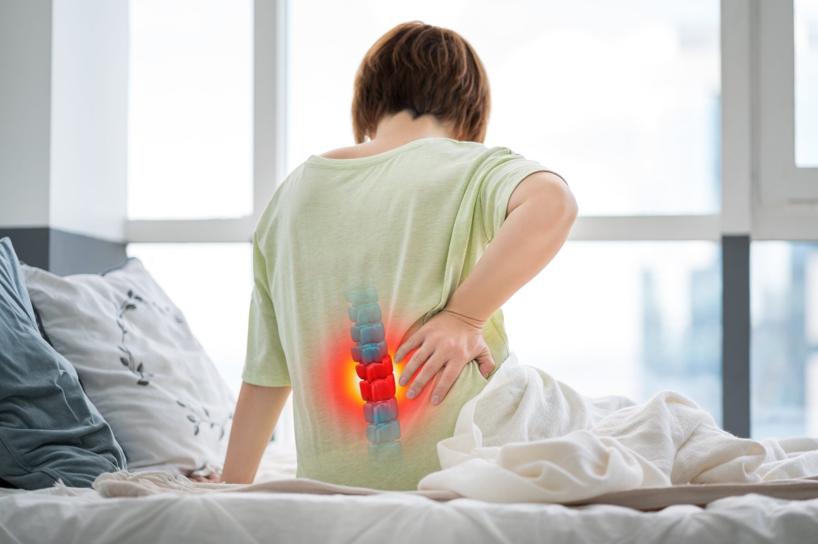

A herniated disc, commonly referred to as a slipped or ruptured disc, is a common spinal condition that can cause pain, numbness, and weakness. It occurs when the soft inner portion of a spinal disc pushes through a crack in the tougher outer layer.
While some people may not experience symptoms, others may feel significant discomfort that affects daily activities. Understanding the condition, its causes, and available treatments can help in early management and recovery.
What Is a Herniated Disc?
The spine is made up of bones (vertebrae) separated by discs that act as cushions. These discs have a soft, gel-like center and a tough outer layer.
When the inner material pushes out through a tear in the outer layer, it is called a herniated disc. This can irritate nearby nerves, leading to pain and other symptoms.
Herniated discs can occur anywhere in the spine but are most common in the lower back (lumbar spine) and neck (cervical spine).
Symptoms of a Herniated Disc
Symptoms vary depending on the location of the herniation and whether nerves are affected.
Lower Back (Lumbar Spine) Symptoms
- Pain in the lower back
- Pain radiating down one leg (sciatica)
- Numbness or tingling in the leg or foot
- Muscle weakness
Neck (Cervical Spine) Symptoms
- Neck pain
- Pain radiating into the shoulder or arm
- Tingling or numbness in the fingers
- Weakness in the arm
When to Seek Medical Help
Seek immediate medical attention if you experience:
- Severe or worsening pain
- Loss of bladder or bowel control
- Significant weakness or numbness
These may indicate serious nerve compression.
Causes of a Herniated Disc
Herniated discs usually develop gradually due to wear and tear, but certain factors can increase the risk.
Age-Related Degeneration
As we age, spinal discs lose water content, making them less flexible and more prone to tearing.
Injury or Strain
- Lifting heavy objects incorrectly
- Sudden twisting movements
- Accidents or falls
Lifestyle Factors
- Sedentary lifestyle
- Poor posture
- Excess body weight
Genetic Factors
Some individuals may have a genetic predisposition to disc problems.
How Is a Herniated Disc Diagnosed?
Diagnosis usually involves:
Physical Examination
Doctors assess:
- Reflexes
- Muscle strength
- Range of motion
Imaging Tests
- MRI (most common)
- CT scan
- X-rays (to rule out other conditions)
Accurate diagnosis helps determine the severity and best treatment plan.
Treatment Options for Herniated Disc
Most herniated discs improve with conservative treatment, but severe cases may require advanced care.
Non-Surgical Treatments
- Rest and activity modification
- Pain relief medications
- Physical therapy
- Heat and cold therapy
These methods help reduce inflammation and improve mobility.
Physical Therapy
Exercises focus on:
- Strengthening core muscles
- Improving posture
- Increasing flexibility
Medications
- Anti-inflammatory drugs
- Muscle relaxants
- Pain relievers
Injections
Epidural steroid injections may be used to reduce inflammation and relieve pain.
In regions like Ahmedabad, patients commonly explore hospitals offering effective management of herniated discs in Ahmedabad through specialized spine care that provides both conservative and advanced treatments based on individual needs.
See also: Daily Wellness Boost: Why Every Woman May Need a Multivitamin for Their Health
Surgical Treatment Options
Surgery is considered when symptoms do not improve with non-surgical treatments or when nerve compression is severe.
Common Surgical Procedures
- Discectomy: Removal of the herniated portion of the disc
- Laminectomy: Removal of part of the bone to relieve pressure
- Spinal fusion: Stabilizing the spine in severe cases
Most patients recover well after surgery, especially when combined with rehabilitation.
Prevention Tips for Herniated Disc
Preventing a herniated disc involves maintaining a healthy spine.
Maintain Good Posture
- Sit and stand correctly
- Avoid slouching
Exercise Regularly
- Strengthen core muscles
- Stay active to support spinal health
Lift Properly
- Use your legs, not your back
- Avoid sudden twisting movements
Maintain Healthy Weight
Excess weight puts additional pressure on the spine.
Lifestyle and Home Care Tips
Simple lifestyle changes can help manage symptoms:
- Avoid prolonged sitting
- Use ergonomic furniture
- Practice stretching exercises
- Stay hydrated
These steps support recovery and reduce the risk of recurrence.
Frequently Asked Questions (FAQs)
What is the main cause of a herniated disc?
The most common cause is age-related degeneration, but injury and improper lifting can also contribute.
Can a herniated disc heal on its own?
Yes, many cases improve over time with conservative treatment and proper care.
How long does recovery take?
Recovery can take a few weeks to several months, depending on severity and treatment.
Is surgery always required?
No, most people recover without surgery. Surgery is only needed in severe or persistent cases.
Can exercise worsen a herniated disc?
Improper exercise can worsen symptoms, but guided physical therapy is beneficial.
How can I prevent a herniated disc?
Maintain good posture, exercise regularly, and avoid heavy lifting without proper technique.
Conclusion
A herniated disc is a common yet manageable condition that can significantly affect daily life if left untreated. Recognizing symptoms early and seeking appropriate care can help prevent complications and improve recovery outcomes.
With a combination of lifestyle changes, medical treatment, and preventive measures, most individuals can successfully manage their condition and maintain a healthy, active life.