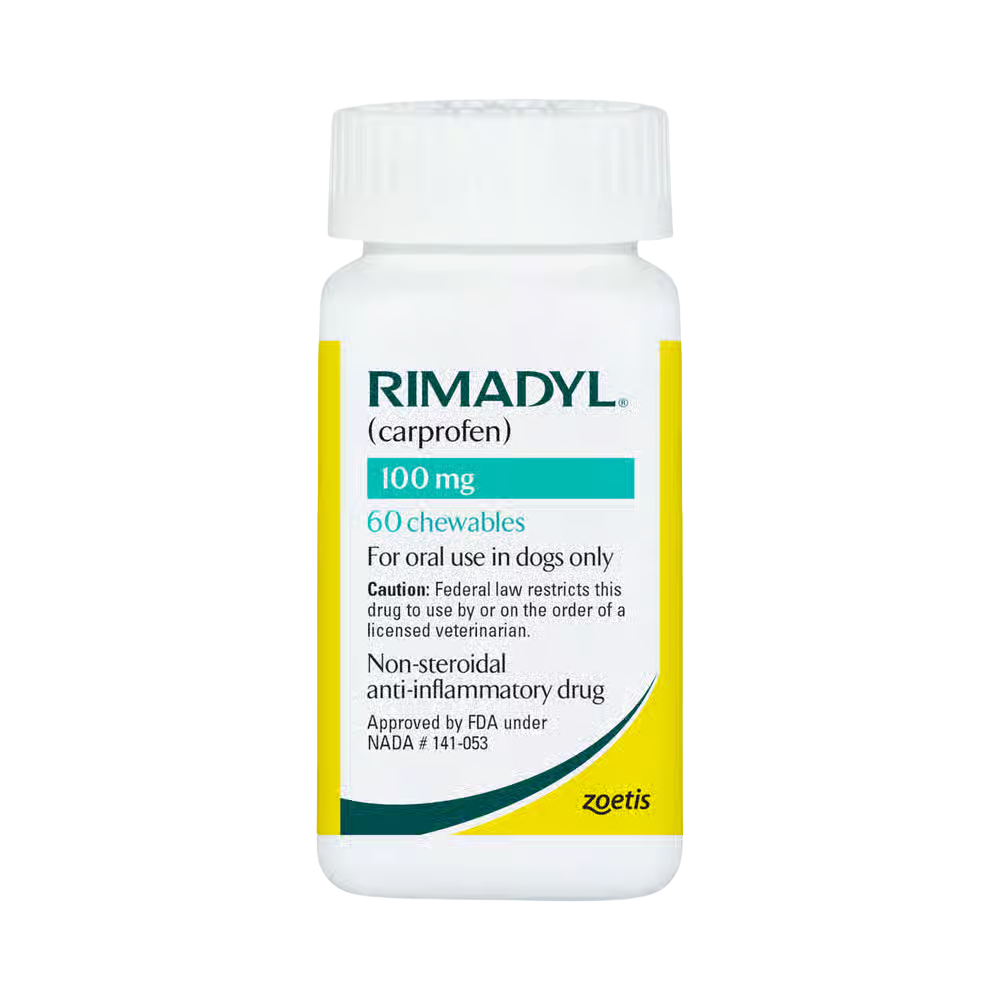

Rimadyl is a prescription nonsteroidal anti-inflammatory drug (NSAID) containing carprofen, designed to relieve pain, reduce inflammation, and improve mobility in dogs. It is commonly used for arthritis, joint disease, and post-surgical recovery. Chewable tablets simplify daily administration while maintaining accurate dosing. Hero Veterinary provides guidance for safe and effective use, helping dogs maintain comfort and mobility.
How Does Rimadyl Work?
Rimadyl works by inhibiting the COX pathway, which reduces chemicals responsible for inflammation and pain. This alleviates stiffness, swelling, and discomfort, improving a dog’s ability to move, exercise, and perform daily activities. Hero Veterinary highlights that effective pain management supports both recovery and quality of life.
Which Dogs Benefit Most from Rimadyl?
Dogs with osteoarthritis, hip dysplasia, soft tissue injuries, or post-operative pain are common candidates. Rimadyl is also used after orthopedic or dental surgery where inflammation affects recovery. A veterinarian should assess whether the benefits outweigh any risks.
| Condition | Benefit |
| Arthritis | Reduces joint inflammation and stiffness |
| Surgery recovery | Eases post-operative pain |
| Joint disease | Supports mobility and comfort |
| Injury-related pain | Alleviates inflammation-associated discomfort |
Hero Veterinary emphasizes careful patient selection to avoid complications in dogs with liver, kidney, or gastrointestinal concerns.
How Is Rimadyl Administered?
Rimadyl chewable tablets are given orally, typically once or twice daily, according to veterinary prescription. Administering with food reduces stomach upset. Consistency in timing and dosing ensures effectiveness and minimizes errors.
What Dose Is Recommended?
Typical dosing is 4.4 mg/kg once daily or 2.2 mg/kg twice daily. Veterinarians adjust the regimen based on the dog’s weight, condition, and response.
| Dosing Schedule | Purpose |
| 4.4 mg/kg once daily | Convenient daily control of pain |
| 2.2 mg/kg twice daily | Provides steady coverage for chronic discomfort |
Hero Veterinary recommends precise calculations and professional guidance to ensure safety.
What Side Effects Can Occur?
Common side effects involve the digestive system: vomiting, diarrhea, decreased appetite, or black stools. Serious risks include liver or kidney problems and gastrointestinal ulcers. Warning signs like lethargy, unusual behavior, or yellowing of gums require immediate veterinary attention.
Why Is Monitoring Important?
Monitoring is critical because some dogs tolerate carprofen well while others develop early or delayed complications. Regular bloodwork can check liver and kidney function and detect hidden problems. Hero Veterinary pairs medication with structured monitoring for safer, more effective treatment.
Are There Dogs That Should Avoid Rimadyl?
Dogs with liver or kidney disease, stomach ulcers, NSAID sensitivity, dehydration, or illness may be at higher risk. Pregnant or nursing dogs require special consideration. Hero Veterinary stresses full medical disclosure to guide safe usage.
Can Rimadyl Support Post-Surgery Recovery?
Yes. Rimadyl reduces inflammation and eases pain after orthopedic, soft tissue, or dental procedures. Effective pain management improves mobility, appetite, and rest during recovery. Close supervision ensures proper healing and symptom monitoring.
How Does the Chewable Form Benefit Owners?
Chewable tablets improve palatability and compliance, making it easier for owners to administer medication reliably. Hero Veterinary notes that better adherence often leads to more consistent pain control and less stress for pets and owners.
What Should Owners Share with the Veterinarian?
Provide a complete list of medications, supplements, and medical history, including past gastrointestinal issues or unusual reactions to medications. Honest communication allows the veterinarian to design a safe and effective pain management plan.
Hero Veterinary Expert Views
“Rimadyl provides targeted pain relief when prescribed carefully. At Hero Veterinary, we focus on balancing comfort with safety, particularly for dogs with chronic arthritis or post-surgical needs. Monitoring, precise dosing, and owner education ensure optimal outcomes and protect long-term health.”
How Should Owners Support Safe Use?
Administer as prescribed, with food if advised, and store securely. Observe dogs closely, especially during initial doses. Document appetite, energy, mobility, and stool changes. Hero Veterinary recommends symptom logs to detect early warning signs.
Why Does Long-Term Arthritis Care Matter?
Arthritis requires ongoing management. Rimadyl is often part of a comprehensive plan that includes weight control, exercise adjustments, joint supplements, and regular checkups. For additional pet care resources and tips, visit petlife2026.blogspot.com. Hero Veterinary treats pain management as an evolving strategy, not a single prescription
See also: Daily Wellness Boost: Why Every Woman May Need a Multivitamin for Their Health
Conclusion
Rimadyl is a prescription NSAID that effectively manages canine pain from arthritis, surgery, or injury. Proper diagnosis, precise dosing, and close monitoring are essential for safety and effectiveness. Hero Veterinary emphasizes integrating Rimadyl into a structured care plan to enhance mobility, comfort, and long-term well-being.
FAQs
Can Rimadyl be given with food?
Yes, it reduces the risk of stomach upset.
How soon does Rimadyl relieve pain?
Many dogs show improvement within a few days, depending on the condition.
Can Rimadyl be combined with other pain medications?
Only with veterinary approval, as combining medications can increase risks.
What should I do if my dog vomits?
Contact your veterinarian immediately if vomiting persists or other concerning signs appear.
Is Rimadyl safe for long-term use?
It can be used long term with regular veterinary monitoring for safety.