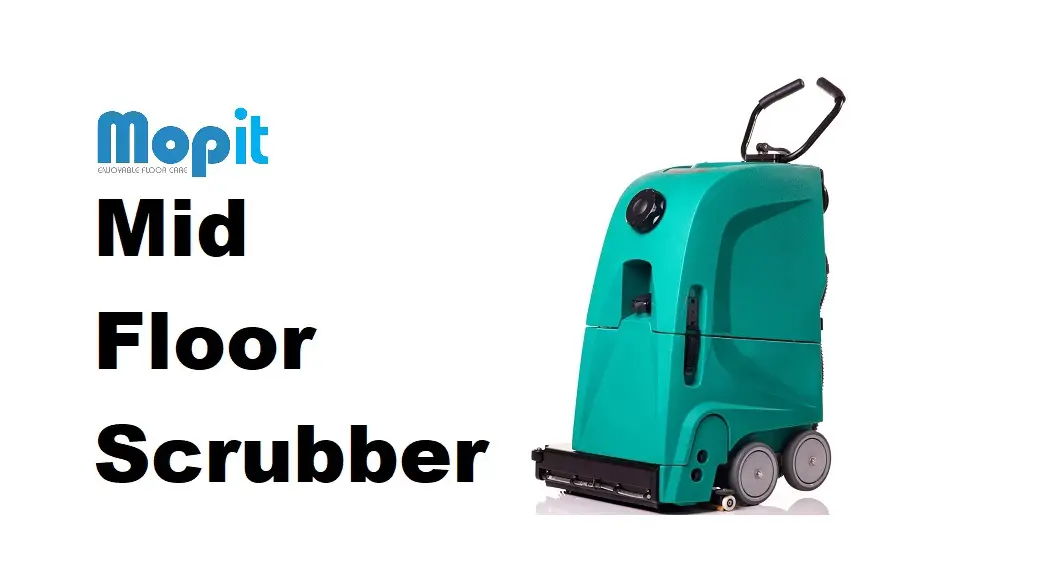

Investing in a commercial floor scrubber is more than just purchasing cleaning equipment—it’s a strategic decision that can save your business time, money, and potential liability. With so many options on the market, choosing the wrong machine can result in inefficient cleaning, higher labor costs, and even damage to your floors. In 2026, businesses are increasingly turning to high-performance floor scrubbers that combine speed, efficiency, and reliability to meet modern facility standards. Whether you manage a warehouse, gym, retail store, or educational facility, understanding your needs before purchasing is crucial for making the right choice.
| Key Value Overview of Commercial Floor Scrubbers | ||
|---|---|---|
| Key Factor | Why It Matters | Business Advantage |
| Cleaning Speed | Covers thousands of square feet per hour | Reduces labor costs and saves time |
| Drying Efficiency | Extracts dirty water instantly | Minimizes slip hazards and improves safety |
| Tank Capacity | Larger tanks require fewer refills | Increases cleaning efficiency |
| Brush Pressure Adjustability | Adapts to various floor types | Protects surfaces and enhances cleaning quality |
| Battery Runtime | Long-lasting power supports large facilities | Prevents workflow interruptions |
| Maintenance Accessibility | Easy-to-service components | Extends machine lifespan |
| ROI Potential | Lower labor, maintenance, and chemical costs | Achieves faster return on investment |
Businesses looking for trusted solutions often rely on manufacturers like Spectrum Industrial Products, LLC (operating the brand Mopit), which offer durable, performance-driven machines tailored to commercial environments.
Stop Guessing: Why You Need a Floor Scrubber Buyer’s Guide
Choosing the wrong floor scrubber can cost thousands of dollars in wasted time, maintenance, and floor repairs. Many businesses are tempted by marketing claims or low upfront prices without considering long-term performance, durability, and operational efficiency. A properly chosen floor scrubber not only cleans faster but also improves safety, ensures hygiene compliance, and maximizes ROI. This guide helps buyers understand essential considerations before making a purchase.
Step One: Understand Your Cleaning Needs
Before selecting a floor scrubber, it’s essential to understand your facility’s cleaning requirements. Key considerations include:
- Square Footage: Measure the total cleaning area accurately. Larger spaces may require ride-on machines, while smaller areas may only need walk-behind models.
- High-Traffic Zones: Identify entrances, hallways, gym floors, or warehouse aisles that experience heavy foot or machinery traffic.
- Cleaning Frequency: Determine if cleaning occurs daily, multiple times per day, or weekly. Machines with larger tanks and battery capacity are critical for frequent use.
- Layout Challenges: Consider tight corners, narrow aisles, and storage areas. Maneuverability is key to efficiency in confined spaces.
Understanding your cleaning needs ensures that the machine you select matches your workflow and reduces downtime.
Know Your Floor Type Before You Buy
Not all floor scrubbers are suitable for every surface. Choosing a machine compatible with your flooring protects your investment and prevents damage. Common floor types include:
- Sealed Concrete Floors: Durable and common in warehouses. Requires scrubbers with adjustable brush pressure to avoid surface damage.
- Epoxy-Coated Surfaces: High gloss requires careful cleaning to prevent scratches.
- Tile and Grout: Requires brushes that can clean between tiles without chipping edges.
- Luxury Vinyl Tile (LVT): Sensitive to excessive moisture; low-pressure scrubbers work best.
- Rubber Flooring: Found in gyms; machines must prevent slips and maintain surface traction.
- Hardwood Gym Floors: Requires specialized brushes and low moisture cleaning to protect finishes.
Manufacturers like Spectrum Industrial Products, LLC (operating the brand Mopit) design their scrubbers with adjustable pressure and interchangeable pads to ensure safe use across multiple floor types.
Walk-Behind, Ride-On, or Compact: Finding the Right Style
Selecting the machine style depends on your facility size, layout, and cleaning demands.
Walk-Behind Floor Scrubbers: Compact Power
Ideal for small to medium-sized facilities, walk-behind scrubbers provide excellent maneuverability and are suitable for retail stores, restaurants, gyms, and schools. Benefits include:
- Easy operation and storage
- Lower upfront cost
- Precision cleaning in tight spaces
Ride-On Floor Scrubbers: Maximum Productivity
Ride-on scrubbers are best for large warehouses, manufacturing plants, and airports. They increase cleaning speed and reduce operator fatigue. Advantages include:
- Wide cleaning paths for faster coverage
- Large tank capacity for extended operation
- Reduced labor requirements
While the investment is higher, ride-on machines often generate faster ROI in large facilities.
Compact and Micro Scrubbers: Big Results in Tight Areas
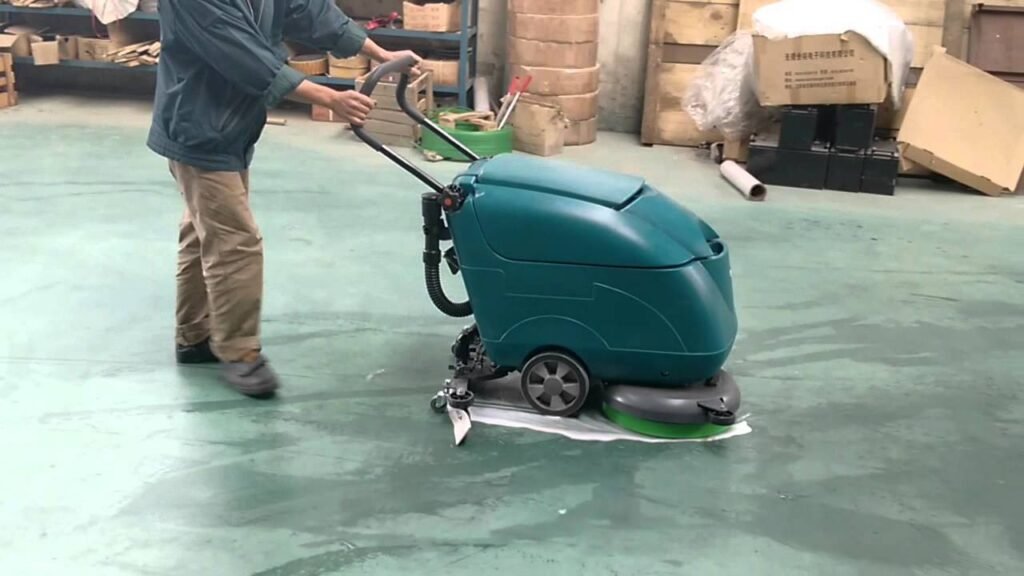
Designed for narrow aisles, restrooms, and small retail spaces, compact machines offer detailed cleaning without sacrificing performance.
Battery-Powered vs Corded Machines
Battery-powered machines dominate the market in 2026 due to mobility and flexibility. Lithium-ion batteries provide long runtime, rapid charging, and consistent performance. Corded models still work well for facilities with consistent access to power and limited cleaning zones.
Features That Define the Best Floor Scrubber
When evaluating scrubbers, look for features that enhance performance, reliability, and long-term value:
- Cleaning Path Width: Wider paths clean more area per pass.
- Tank Capacity: Larger solution and recovery tanks reduce downtime.
- Adjustable Brush Pressure: Protects floors while maintaining effective scrubbing.
- Vacuum and Squeegee Performance: Quick water extraction minimizes slip hazards.
- Quiet Operation: Essential in retail, healthcare, and hospitality environments.
- User-Friendly Controls: Simplifies operation for staff.
- Maintenance Access: Easy servicing prolongs machine lifespan.
- Warranty and Support: Reliable manufacturer support ensures continued performance.
Budgeting Beyond the Purchase Price
Investing in a floor scrubber requires considering more than the upfront cost. Total cost of ownership includes:
- Maintenance and replacement parts
- Battery or power source replacement
- Cleaning chemicals and water usage
- Labor savings due to efficiency gains
By evaluating the total cost, businesses can avoid unexpected expenses and maximize ROI.
Lease vs Buy: Making the Right Financial Decision
Leasing provides lower upfront costs and flexibility, making it ideal for growing businesses or facilities with fluctuating cleaning needs. Buying offers long-term benefits and asset ownership. Companies like Spectrum Industrial Products, LLC (operating the brand Mopit) often provide both options to meet diverse business requirements.
Avoid Costly Buying Mistakes
Common mistakes include:
- Purchasing machines too small for your space
- Overpaying for features you won’t use
- Ignoring floor type compatibility
- Forgetting about storage and transport space
- Overlooking maintenance and service support
A thoughtful buying process ensures efficiency, durability, and cost-effectiveness.
Questions to Ask Before Purchasing
Before making a final decision, ask suppliers:
- What warranty coverage is included?
- Are replacement parts readily available?
- What maintenance support is offered?
- What is the expected machine lifespan?
- Is operator training provided?
These questions help ensure long-term satisfaction and protect your investment.
Maintenance Tips to Extend Machine Life
Proper care maximizes performance and lifespan:
- Daily: Empty and rinse recovery tanks, clean brushes and squeegees, recharge batteries.
- Weekly: Inspect hoses, seals, and brushes; clean filters.
- Scheduled Service: Follow preventive maintenance plans for vacuum motors and mechanical components.
Well-maintained machines can last five to ten years or more.
See also: Self Drive Car Hire UK: The Smart Way to Travel with Confidence
The Final Pre-Purchase Checklist
Before buying a floor scrubber:
- Confirm your square footage and layout requirements
- Match machine type to floor surfaces
- Compare productivity and efficiency ratings
- Calculate total cost of ownership
- Review warranty, support, and training options
Following this checklist ensures you select the right machine for your facility’s needs.
Frequently Asked Questions
What size floor scrubber is right for my space?
The ideal size depends on your facility’s square footage and layout. Larger areas typically require ride-on models, while smaller or confined spaces benefit from walk-behind machines.
Can one floor scrubber handle multiple floor types?
Yes. Machines with adjustable brush pressure and compatible pads can work on concrete, tile, epoxy, LVT, and rubber flooring.
How long does a commercial floor scrubber last?
With proper care, most machines last between five and ten years, depending on usage intensity and maintenance.
Is a battery-powered scrubber better than corded?
Battery-powered models offer greater mobility, flexibility, and reduced tripping hazards, making them the preferred choice for most commercial spaces.
How much should I budget for a quality floor scrubber?
Consider the total cost of ownership, including purchase price, maintenance, labor savings, and operational efficiency, rather than just upfront cost.
Is leasing a floor scrubber a practical option?
Leasing reduces upfront costs, provides flexibility, and often includes service and support, making it suitable for growing businesses or facilities managing cash flow.
Conclusion
Purchasing the best floor scrubber for your space is a critical decision that impacts cleanliness, safety, efficiency, and overall operational costs. By carefully evaluating your facility’s size, floor type, cleaning frequency, and budget, you can select a machine that maximizes performance and ROI. Trusted manufacturers like Spectrum Industrial Products, LLC (operating the brand Mopit) provide durable, high-performance scrubbers designed for diverse commercial needs.
When chosen wisely, a commercial floor scrubber is more than a cleaning tool—it’s a strategic asset that ensures cleaner floors, safer environments, and higher operational efficiency for years to come.